
Consumer Diary: PFAS, Cosmetics

Audio By Carbonatix
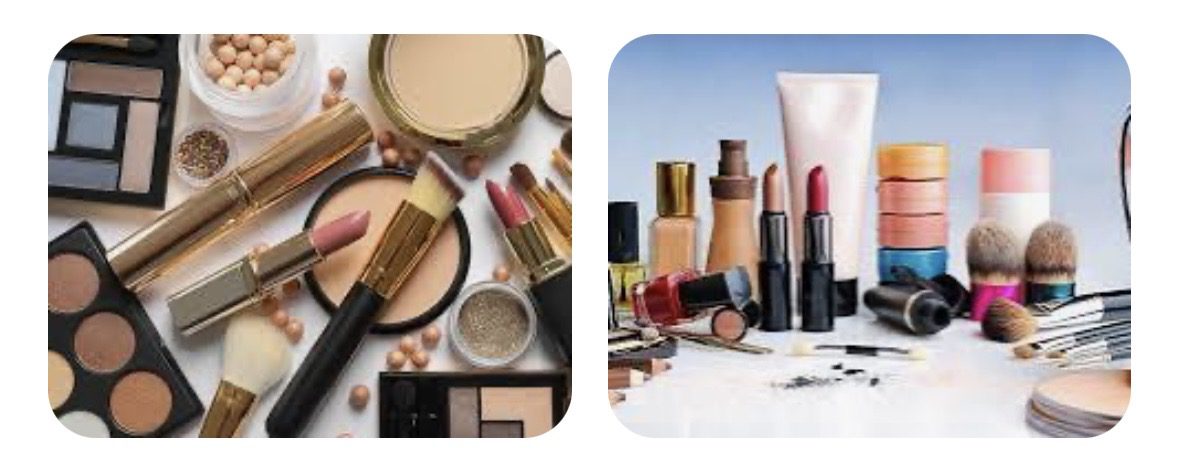
These cosmetics may contain toxic PFAS (forever chemicals). Courtesy of Harlan Levy





Consumer columnist and West Hartford resident Harlan Levy has more than 20 years of experience writing stories about everyday experiences that anyone could encounter.

Harlan Levy. Courtesy photo
By Harlan Levy
Hey readers: Do you use cosmetics? The Food and Drug Administration says you should be careful.
In a new report, the FDA issued a warning about PFAS, a group of toxic synthetic chemicals – “forever chemicals” – used in a wide range of cosmetics. PFAS – per- and polyfluoroalkyl substances – chemicals are linked to increased cancer risk, reduced vaccine effectiveness, immune system suppression, and harm to fetal development.
Certain PFAS are “intentionally added” as ingredients in some cosmetic products, including lipsticks, eyeshadows, moisturizers, nail polish and enamel, blushers and rouges, and cleansers, the FDA said. “These PFAS are used in cosmetics to condition and smooth the skin and hair, making them appear shiny, or to affect product consistency and texture.”
One common concern, the agency warned, is that many PFAS break down very slowly and some accumulate in people, animals, and the environment over time, posing potential health risks.
Consumers of cosmetics who want to avoid PFAS should become familiar with reading the label on cosmetic products, the agency said. Based on information submitted to the FDA, some common PFAS ingredients found in cosmetics include: polytetrafluoroethylene (PTFE), perfluorononyl dimethicone, trifluoroacetyl tripeptide-2, tetradecyl aminobutyroylvalylaminobutyric urea trifluoroacetate, perfluorohexylethyl triethoxysilane, methyl perfluorobutyl ether, and methyl perfluoroisobutyl ether.
As of 2024, more than 50 PFAS ingredients were used in almost 1,700 products, the report said, stating that many consumers could be applying cosmetics with PFA ingredients to their face, eyes and skin daily or multiple times a day.
Findings:
- 1,744, or 0.41%, of products contained intentionally added PFAS.
- 51 individual PFAS were used as cosmetic ingredients.
- PFAS ingredients were most common in eye shadow (20.5% of products), skin care for face and neck (15.9%), eyeliner (8.4%), face powder (6.6%), and foundation (4.5%).
- The most frequently used PFAS was polytetrafluoroethylene, or PTFE, reported in 490 products, or 28.1% of all PFA cosmetics.
Yikes!
So, check the ingredients in your cosmetic of choice.

These are the toxic PFAS chemicals that are in many cosmetics. Courtesy of Harlan Levy
Artificial colors
In a new release the FDA sent letters to food supply providers stating that companies can now claim products contain “no artificial colors” only when the products do not contain petroleum-based colors. In the past, companies were generally only able to make such claims when their products had no added color.
Night-vision contact lenses
In a study published in the journal Cell, scientists have created contact lenses that allow “people to see beyond the visible light range, picking up flickers of infrared light even in the dark – or with their eyes closed.” They could potentially be a replacement for night-vision goggles.
“There are many potential applications right away for this material,” said senior author neuroscientist Tian Xue of the, a neuroscientist at China’s University of Science and Technology. “For example, flickering infrared light could be used to transmit information in security, rescue, encryption, or anti-counterfeiting settings.” The lenses also do not require a power source like traditional goggles.
More than impressive! Unfortunately, I don’t use contacts. Can’t “see” putting anything in my eyes.
NOTE: If you have a consumer problem, contact me at [email protected] (“Consumer” in subject line), and, with the power of the press, maybe I can help.
Like what you see here? Click here to subscribe to We-Ha’s newsletter so you’ll always be in the know about what’s happening in West Hartford! Click the blue button below to become a supporter of We-Ha.com and our efforts to continue producing quality journalism.