Consumer Diary: PlantPaper

Audio By Carbonatix
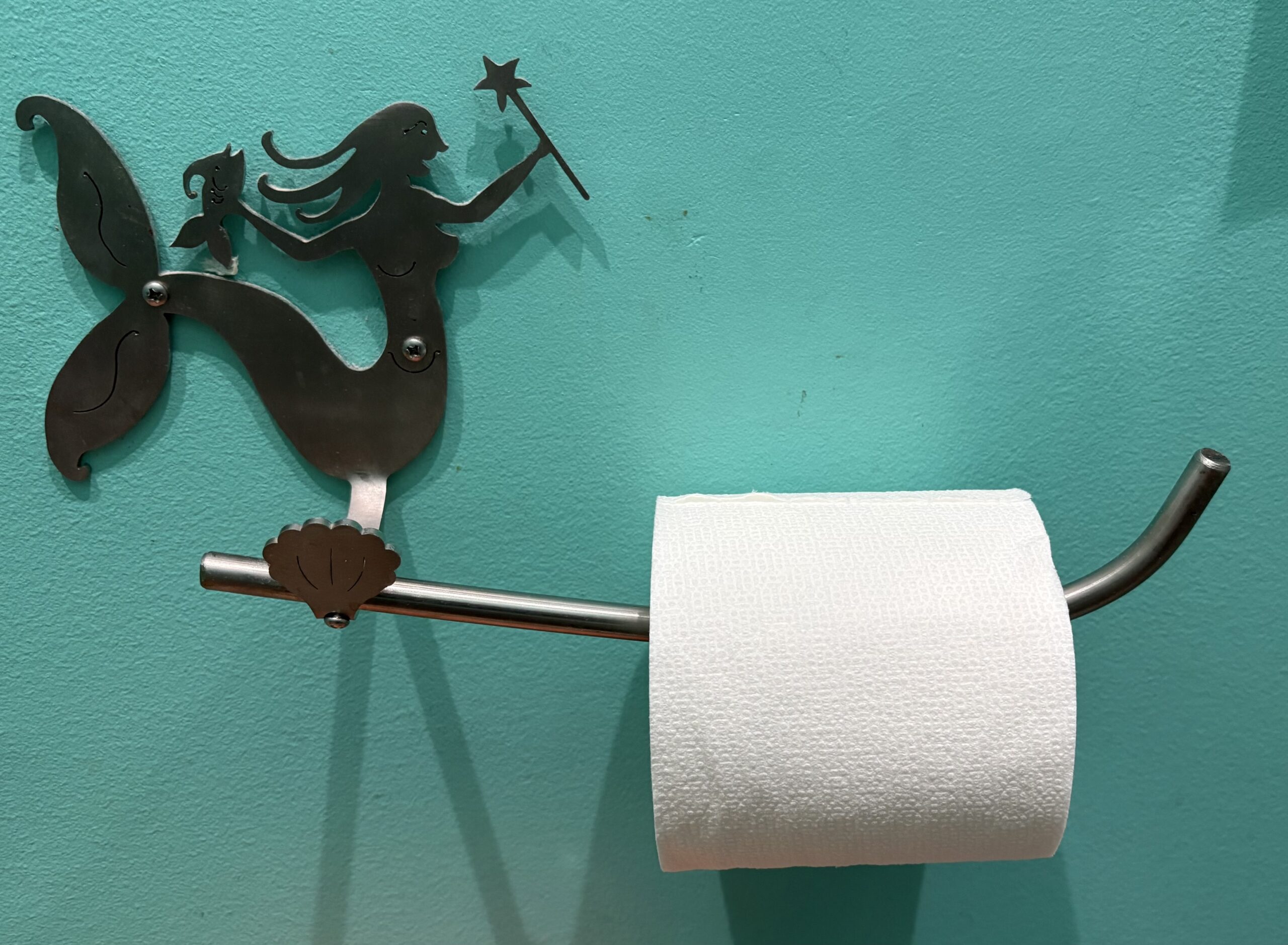
Our regular Charmin Ultra Gentle toilet paper may contain cancer-risk PFAS and bleach and formaldehyde, which also pose health risks. Photo credit: Harlan Levy





Consumer columnist and West Hartford resident Harlan Levy has more than 20 years of experience writing stories about everyday experiences that anyone could encounter.

Harlan Levy. Courtesy photo
By Harlan Levy
So last week I told my wife I was going to the Big Y Supermarket to get our favorite Charmin Ultra Gentle toilet paper. She said, don’t, that she had already bought a case of a new brand, $42 for 16 beige rolls of PlantPaper.
Why’d she do it? Because for months she’d been super annoyed by receiving an almost daily barrage of an online ad for the product presented by actor Bruce Willis’ daughter, actress Rumer Willis. Finally she’d had enough and decided to give it a try.
In the video spot Willis is sitting on a toilet, breastfeeding her toddler daughter, saying she’s here to talk about your toilet paper, “that fluffy white stuff you use to wipe your [butt] with? Well, it’s contributing to your risk of cancer. Recent studies found that most toilet paper brands contain PFAS, forever chemicals. They don’t break down, and they never leave your body.” She continues, “They’ve been linked to birth defects, fertility issues, and even cancer.” Most toilet paper manufacturers use bleach and formaldehyde to process tree pulp, she says, leading to hemorrhoids, UTIs, yeast infections, and vulvovaginitis.” The good news, she concludes, is that she’s been using PlantPaper for two years. “It’s 100% toxin-free, lab-tested, formaldehyde-free, bleach-free, and PFAS-free.”
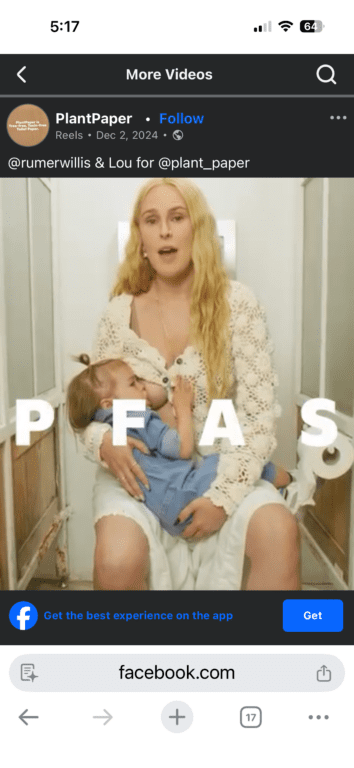
Screenshot of Rumer Willis ad for PlantPaper. Courtesy of Harlan Levy
Is Rumer Willis speaking the truth?
I did some research:
- A 2023 study found that many major toilet paper brands contain PFAS (forever chemicals). While some studies suggest high, widespread prevalence, other testing shows PFAS in about 24% of tested products, often found in both traditional and bamboo options.
- A University of Florida study detected PFAS in 21 major toilet paper brands worldwide. The most common compound found is 6:2 diPAP, which can break down into more harmful, persistent chemicals. Recycled toilet paper can have higher risks of contamination.
- U.S. Environmental Protection Agency: “PFAS are persistent synthetic compounds that accumulate in the body, causing significant human health risks including increased cholesterol, decreased immune response to vaccines, thyroid disease, liver damage, developmental delays in children, and cancers like kidney and testicular cancer.”
- American Cancer Society: “Formaldehyde in toilet paper, often used to improve wet strength, primarily acts as a skin sensitizer, causing allergic contact dermatitis, itchy rashes, or irritation, particularly for those with sensitive skin. It is a known human carcinogen, and chronic exposure, though unlikely from this source, increases cancer risk.”
- Bleached toilet paper can contain trace amounts of dioxins, furans, and other chlorinated compounds, which are byproducts of the chlorine bleaching process used to achieve a white color. Potential health impacts from persistent exposure include skin irritation particularly in the delicate vulgar area leading to potential infections, UTIs, allergic reactions, and possible hormone disruption. The bleaching process can create dioxins, which are linked to reproductive issues, endocrine (hormone) disruption, and a compromised immune system. Long-term exposure to these chemicals is a concern for chronic inflammation, or in rare cases, elevated cancer risk.
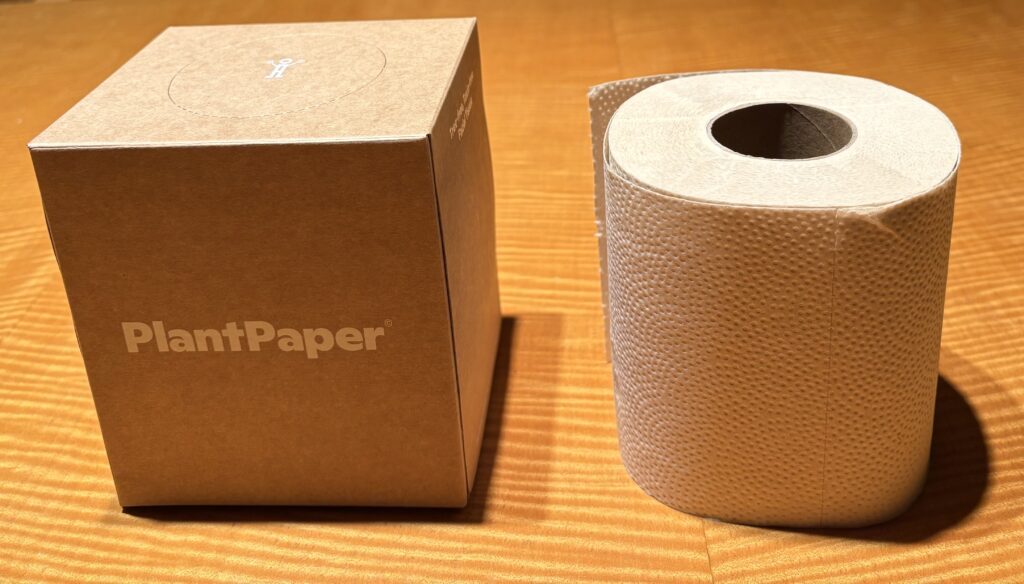
PlantPaper toilet paper contains no PFAS (which pose a cancer risk), bleach, or formaldehyde, both posing health risks. Photo credit: Harlan Levy
PlantPaper
- PlantPaper is made of unbleached bamboo, harvested in southern China. PlantPaper contains no bleaching, formaldehyde, or dyeing agents of any kind. The off-white color of our paper corresponds to the natural color of the bamboo pulp used to make it.
- PlantPaper: “There are six main PFAS compounds that account for the majority of PFAS that is detected in toilet paper and other household products – PFHxA, PFOA, PFDA, 6:2 diPAP, 6:2/8:2 diPAP, and 8:2 diPAP. We tested for all six of these, in addition to 22 additional compounds, which are far less prevalent. We tested PlantPaper for all 28 of these, and had zero detections.”
- PlantPaper: “Until recently, almost all toilet paper was made with chlorinated bleach, which, when combined with organic substances like tree pulp, produces dioxins, a class of highly toxic compound considered a ‘persistent organic pollutant’ because of how difficult they are to eradicate. In the last few years, as the damaging effects of bleach on our bodies and the environment became harder to ignore, paper mills in North America have largely switched to an ECF (Elemental Chlorine Free) process. This is an improvement over earlier methods, but numerous studies have confirmed that ECF bleaching still results in the formation of dioxins.”
- PlantPaper: “Most American toilet paper isn’t actually made in America. The majority of the pulp now comes from carbon-intensive eucalyptus plantations in Brazil, where rainforests thrived only a generation ago, with devastating impacts on wildlife, biodiversity, water supply, and global warming. Check the package on your grocery store TP. More likely than not, it says ‘Made in the U.S. with imported parts or materials.’ Toilet paper hasn’t been made from American trees in generations.”
Ecological damage of ordinary tree paper like Charmin, according to PlantPaper: “The key statistic is that 27,000 trees are cut down each day to make toilet paper. And most toilet paper sold in the U.S. and Canada contains a significant percentage of pulp derived from old-growth virgin trees found in the Canadian Boreal Forest, the world’s most important carbon sink. It stores more carbon than all of the world’s gas, coal, and oil reserves combined, and removes carbon dioxide from the atmosphere equivalent to the annual emissions of 24 million passenger vehicles.”
Clear-cutting the Canadian Boreal Forest releases 26 million metric tons of carbon dioxide each year, PlantPaper says. “While portions of this forest are replanted, they can take more than 100 years to return to their original state, and many never do. Old growth forests are one of the planet’s most important defenses against a warming planet, but it has come under sustained assault by the tree paper industry.”
Fun fact: Conservative Old Order Amish communities consider toilet paper an unnecessary luxury and use alternatives like newspapers, catalogs, or corn cobs. [I’m not recommending corn cobs! Aaaaarrrrggggh!]
So try PlantPaper, and, as Rumer Willis put it, “Better for the earth, and better for your ass.”
NOTE: If you have a consumer problem, contact me at [email protected] (“Consumer” in subject line), and, with the power of the press, maybe I can help.
Like what you see here? Click here to subscribe to We-Ha’s newsletter so you’ll always be in the know about what’s happening in West Hartford! Click the blue button below to become a supporter of We-Ha.com and our efforts to continue producing quality journalism.