
Consumer Diary: Artificial Sweetener

Audio By Carbonatix
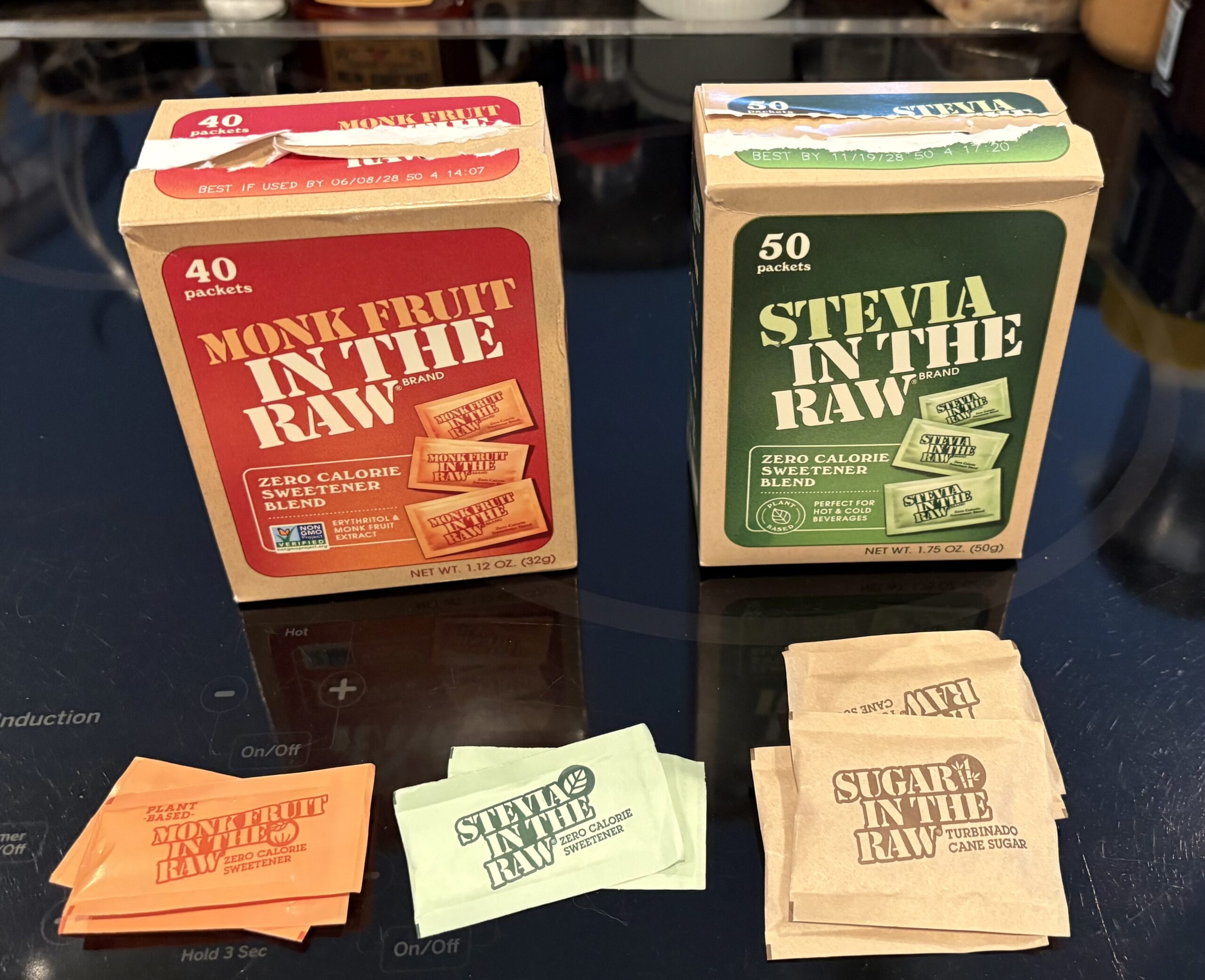
The two sweeteners are natural, not artificial. The brown sugar I used to use daily I have stopped using, substituting Monk Fruit and occasionally Stevia. Photo credit: Harlan Levy





Consumer columnist and West Hartford resident Harlan Levy has more than 20 years of experience writing stories about everyday experiences that anyone could encounter.

Harlan Levy. Courtesy photo
By Harlan Levy
Ever since I was diagnosed with hyperglycemia (level: 125 – too high blood sugar leading to diabetes) a few months ago I vowed to immediately stop adding two packets of brown sugar to my daily breakfast oatmeal and to stop drinking ginger ale – containing 46 grams of sugar per bottle. Since that diagnosis I’ve been drinking sugar-free ginger ale and eating sugar-free cookies and wafers created with artificial sweeteners.
From a subsequent blood test two weeks ago my blood sugar level had dropped to an acceptable 94.
Then, last week I read a new research report that had popped up in my email that sounded the alarm on artificial sweeteners. Uh oh, I thought.
Here’s what the researchers found:
- From Science Daily: “Recent studies on zero-calorie sweeteners show mixed findings, highlighting potential long-term impacts on the gut microbiome, brain health, and metabolic functions.”
A recent animal study on sucralose and Stevia found that both sweeteners altered the gut microbiome and changed the activity of metabolism and inflammation genes, with some effects passing to later generations, the report said.
Also, the report said, human trials indicate that extended use of sugar substitutes like sucralose can alter how the body handles glucose challenges, increasing the body’s requirement for insulin.
The report added that “a large-scale observational study involving nearly 13,000 adults tracked over eight years associated high consumption of low- and no-calorie sweeteners (including aspartame, saccharin, and sugar alcohols like erythritol and xylitol) with faster global cognitive aging, particularly affecting memory and verbal fluency in individuals under 60.”
- A study reported in Neurology Journals found that among 12,772 participants aged younger than 60 years, consumption of combined LNCSs (aspartame, saccharin, acesulfame k, erythritol, xylitol, sorbitol, and tagatose) was associated with a faster decline in verbal fluency and global cognition. But there was no association between LNCSs and cognitive decline in participants aged 60+ years. Phew, I guess.
Erythritol is a sugar alcohol (polyol), which places it in a unique middle ground rather than making it a strictly traditional artificial sweetener.
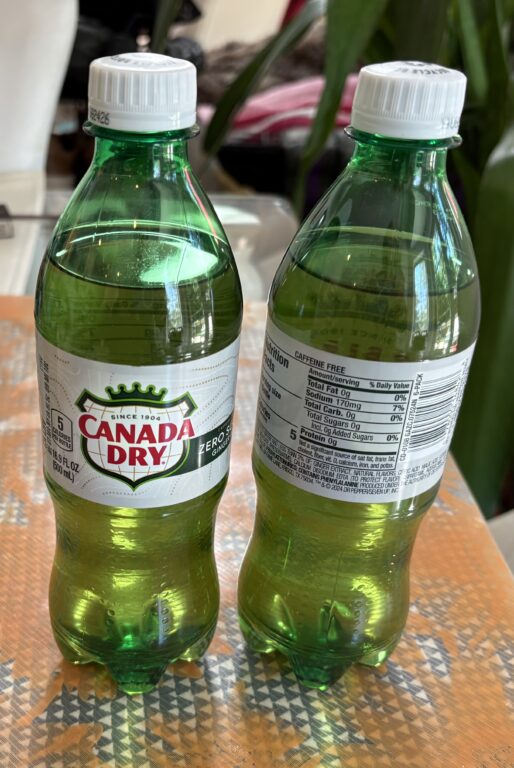
Sugar-free sodas like ginger ale contain aspartame, an artificial sweetener that is dangerous, reports say. Photo credit: Harlan Levy
Reversal
On Sunday at brunch in Manhattan with our good friend Dr. W, I talked about the reports and how I had given up food and drink with artificial sweeteners.
That’s ridiculous, Dr. W said. “You eat only 2 packets of Monk Fruit sweeteners a day. That’s nothing. Stop the sugar and resume sugar-free ginger ale.”
Before resuming my non-sugar life I looked up Monk Fruit – which contains erythritol – and Stevia – which contains dextrose.
- Monk Fruit leaf extract: Monk Fruit extract is not an artificial sweetener, because it comes from a Monk Fruit plant. Erythritol occurs naturally in small amounts in various fruits (like pears and melons) and fermented foods (like cheese and soy sauce). High-intensity artificial sweeteners like aspartame or sucralose are synthetic compounds not found in nature. Because erythritol is chemically identical to the version found in nature and originates from a natural fermentation process, it is often classified as a naturally derived sugar substitute rather than an artificial one.
- Stevia leaf extract: Stevia extract is not an artificial sweetener, because it comes from the leaves of the Stevia rebaudiana plant rather than being built from chemicals in a lab
And dextrose is not an artificial sweetener. It is a simple, natural form of sugar derived from plants like corn or wheat.
So I’m now back to using Monk Fruit and hoping my sugar intake from food that has it plus healthy eating of bananas, strawberries, raspberries, blueberries, cottage cheese with scallions, and a daily tablespoon of Manuka honey keeps me happy.
And now you know.
NOTE: If you have a consumer problem, contact me at [email protected] (“Consumer” in subject line), and, with the power of the press, maybe I can help.
Like what you see here? Click here to subscribe to We-Ha’s newsletter so you’ll always be in the know about what’s happening in West Hartford! Click the blue button below to become a supporter of We-Ha.com and our efforts to continue producing quality journalism.