
Consumer Diary: CarShield, Poo Plume

Audio By Carbonatix
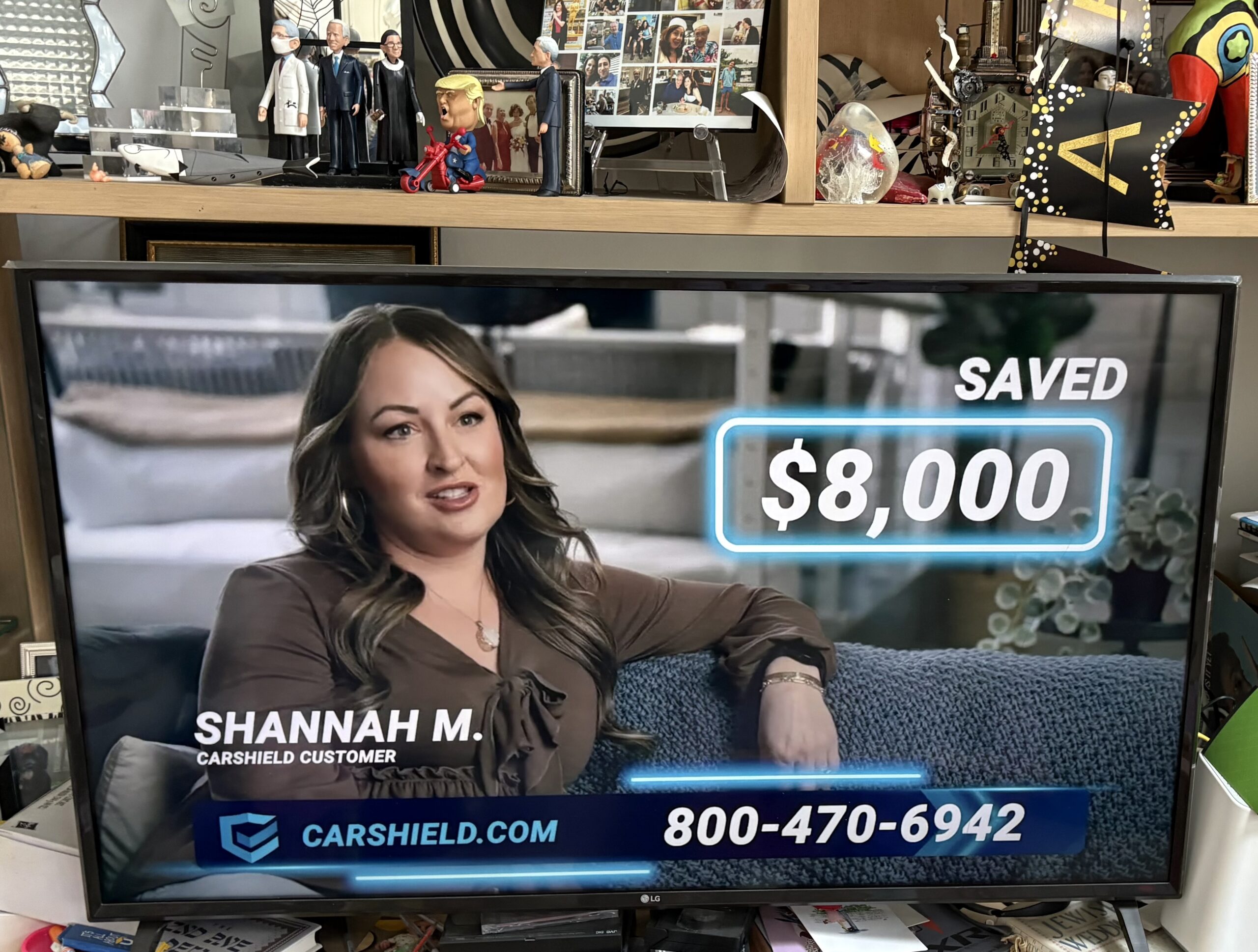
Warning: CarShield often is a bad deal as opposed to the large savings touted by this customer. Courtesy of Harlan Levy





Consumer columnist and West Hartford resident Harlan Levy has more than 20 years of experience writing stories about everyday experiences that anyone could encounter.
Harlan Levy. Courtesy photo
By Harlan Levy
I am so sick of the ubiquitous CarShield TV ads with actor Ice-T hawking the warranty, that I looked up the latest reviews to see what consumers contemplating signing up should know.
By the way, my 11-year-old Subaru has never had the trumped-up fearsome break-down, nor had my wife’s eight-year-old Avalon.
Here’s what I found from researching “CarShield reviews”:
Mixed reviews, with high customer satisfaction on review sites like Trustpilot but significant complaints with the Better Business Bureau (BBB) and legal issues, including a Federal Trade Commission settlement for deceptive advertising about coverage. According to the BBB, “While many users praise its roadside assistance and coverage for high-mileage cars, others report difficulty getting claims paid due to contract loopholes and fine print, leading to frustration and denied repairs despite paying monthly fees, with repair shops also citing payment delays.”
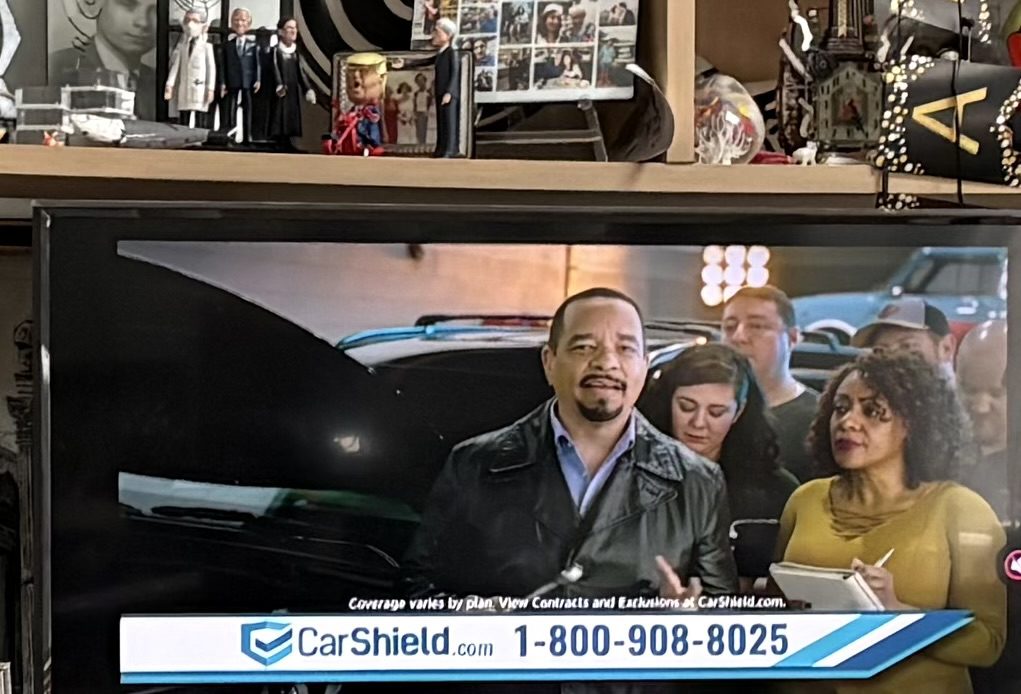
Ubiquitous celebrity CarShield promoter Ice-T promises major savings for car breakdowns, but is that always true? See both positive and troubling negative reviews. Courtesy of Harlan Levy
Positives:
- Many customers praise the helpfulness and knowledge of CarShield’s customer service representatives.
- Accessibility: Offers coverage for older, high-mileage vehicles and has a wide repair network.
- Convenience: 24/7 roadside assistance and optional month-to-month plans.
Negatives:
- Deceptive advertising: The FTC settled with CarShield in late 2025 for misleading ads that promised “never pay for car repairs again,” when many repairs weren’t covered.
- Claim denials: Frequent reports of claims being denied for minor details or components not explicitly listed, even if related to major covered systems. (e.g., flywheel between covered engine and transmission).
- BBB’s CarShield rating: F due to advertising issues and unresolved complaints, with a warning issued to consumers.
- Repair shop complaints: Mechanics often cite payment delays and disputes with CarShield over repair costs and coverage.
Here’s one typical complaint filed Feb. 13 on an antifreeze leak requiring replacement of the antifreeze reservoir and replace expansion outlet hose (the coolant system) in a 2020 new car:
“On 01/08/2026 at 8:51am I dropped off my vehicle for service and provided my mechanic with CarShield’s 800 number and my policy number. I never received anything in writing from Car Shield, but I did, however, receive a text message and e-mail informing me that my claim was being processed. … But CarShield was only willing to cover a fraction of the $1637.47 to repair my vehicle. … The dealership needed 5 hours to diagnose the issue, and Car Shield would only cover 1 hour of the diagnostic assessment, and any additional cost was my responsibility. … No money was received from CarShield, and the total cost of my repairs was paid out-of-pocket. I am requesting a full refund of $499.95 for the 5 months of premiums I paid towards the plan.”
Result: CarShield will issue a full refund.
Advice: Read the contract carefully. Know what is and isn’t covered. Don’t just rely on Ice-T. Be prepared to prove consistent vehicle maintenance to avoid claim denials.
Maybe Ice-T should stick to acting on “Law & Order SVU.”
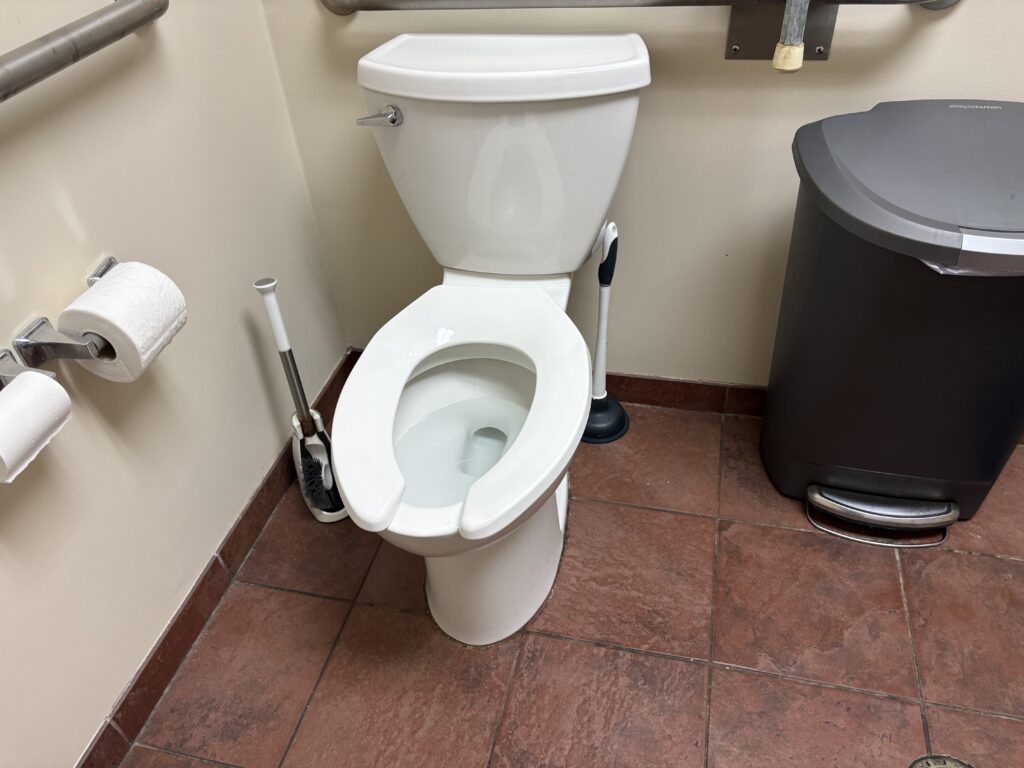
This toilet in a public site has no lid, which would protect users from harmful bacteria that accompanies the invisible “poo” plume in the current high-powered flushes. Photo credit: Harlan Levy
Toilet plume
I never heard of this until I found online reports on Wikipedia and from research site QPS.com:
- A toilet plume is an invisible cloud of aerosolized particles, including water, bacteria, viruses, and fecal matter released into the air when a toilet is flushed, particularly with the lid up. These particles can travel up to 5 feet high at speeds of 6.6 ft/second, contaminating surrounding surfaces.
- Toilet plumes can spread pathogens like E. coli, Salmonella, norovirus, and SARS-CoV-2.
- Droplets can land on surfaces up to 6 feet away from the toilet. Aerosols smaller than 5 microns can linger in the air for over a minute.
- When a toilet flushes, vortices push around 6,000 tiny droplets and aerosols into the air, with 40-60% of particles traveling above the seat.
“The lid, which is absent from the vast majority of toilets in public restrooms, is key,” the QPS report said “As a result, there’s that plume that comes from the toilet that ends up on the seat, and no matter where you go, you’re always going to find that about 50% of the public restroom toilet seats at any given time are going to have some kind of poo germs on them in the range of hundreds of particles.”
Advice:
- Always close the toilet lid before flushing to trap the majority of the plume.
- Regularly clean surfaces, including high-touch areas.
- If the toilet lacks a lid, never have your face near the plume, and leave the stall immediately after flushing to avoid the aerosol cloud.
Now you know.
NOTE: If you have a consumer problem, contact me at [email protected] (“Consumer” in subject line), and, with the power of the press, maybe I can help.
Like what you see here? Click here to subscribe to We-Ha’s newsletter so you’ll always be in the know about what’s happening in West Hartford! Click the blue button below to become a supporter of We-Ha.com and our efforts to continue producing quality journalism.


Harlan, isn’t a public toilet without a lid something that should be reported to the Connecticut Department of Public Health. One would presume a public facility must meet state health standards to receive a license to operate. A local building department must have jurisdiction over such things.