
Consumer Diary: Scam Helpers, Ovarian Cancer, Funerals

Audio By Carbonatix
Courtesy of Harlan Levy





Consumer columnist and West Hartford resident Harlan Levy has more than 20 years of experience writing stories about everyday experiences that anyone could encounter.

Harlan Levy. Courtesy photo
By Harlan Levy
Have any of you lost money to a scam? The Federal Trade Commission is warning us about scammers who pretend to help people who lost money to a scam.
Refund and recovery scammers buy lists of people who’ve already been scammed, hoping they can be scammed again. The scammers contact you, saying they’ll help get your money back or recover the merchandise you never got.
To sound trustworthy, they might say they’re with a government agency (even the FTC), a consumer advocacy group, or a law firm – but it’s all a lie, the agency said. They’ll then tell you to pay a “retainer fee,” “processing fee,” or “administrative charge,” or share your financial information so they can (supposedly) deposit the refund. But if you pay, they’ll steal your money … and if you share your information, they might steal your identity.
So, don’t trust someone who contacts you claiming they can recover your lost money for a fee. You’ll lose more money. And never pay up front for a refund … or for help getting one.
Ovarian cancer
Good news for ovarian cancer patients and women concerned that they may have it in the future:
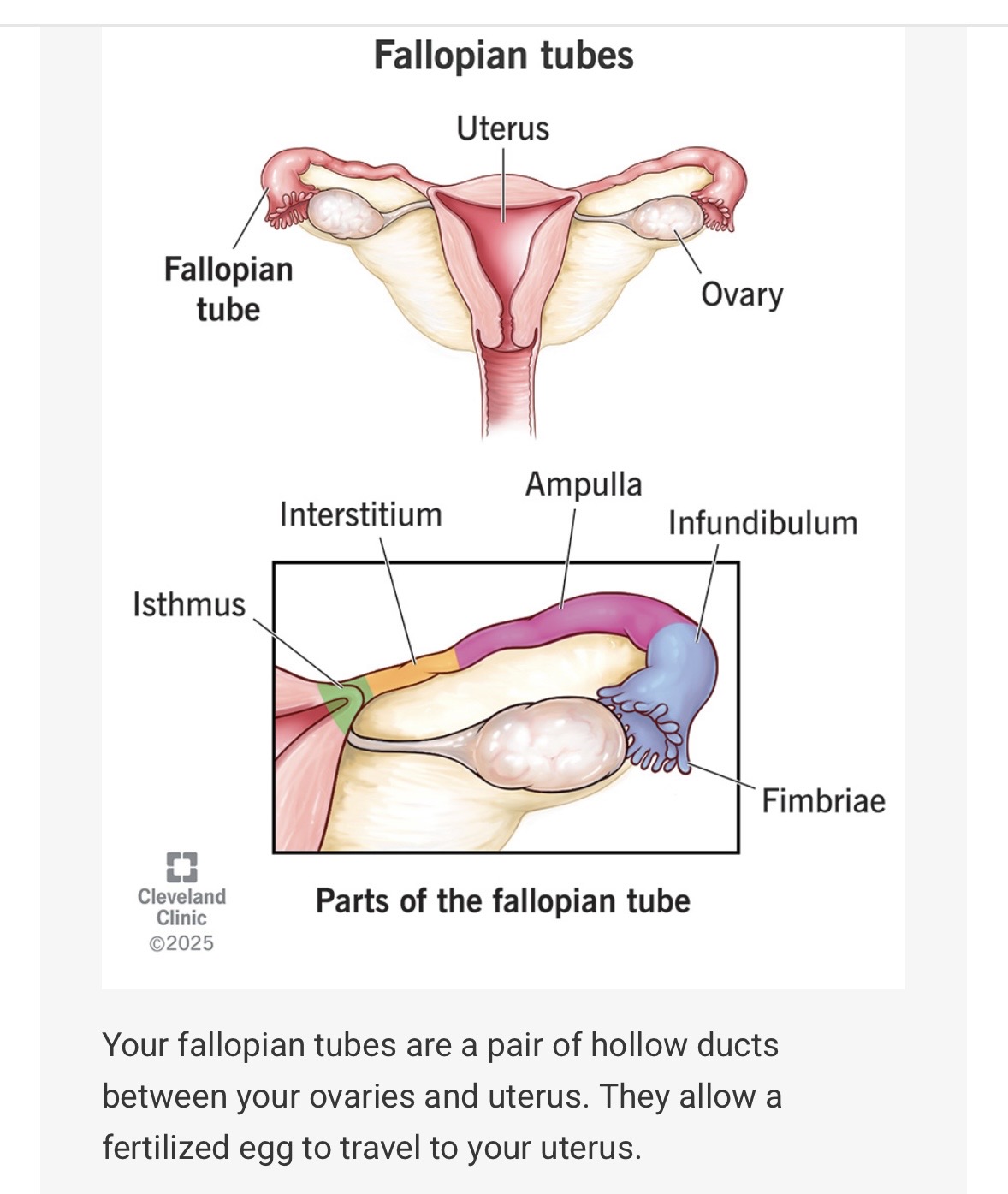
A new study by the Ovarian Cancer Research Alliance published in JAMA Network Open provides evidence that removal of the fallopian tubes can dramatically reduce the risk of ovarian cancer.
“Ovarian cancers were previously believed to begin only in the ovaries, but recent evidence suggests that ovarian cancers may also start in cells in the fallopian tubes,” the authors said.
The study described fallopian tube cancer as similar to epithelial ovarian cancer and often spreads to the ovary and peritoneum. It begins in the fallopian tube, which is the structure that carries an egg from the ovary to the uterus. Fallopian tube removal treats and prevents cancer by physically eliminating malignant tissue or lowering future risk. Doctors remove one or both tubes, often alongside the ovaries and uterus, when cancer is present or high risk is detected.
The study found that people who underwent fallopian tube removal were 78% less likely to develop serous ovarian cancer, the most common and lethal subtype of ovarian cancer, than those who had not had the surgery.
So, this simple surgery can have a profound and life-saving impact.
Funeral warning
The Department of Consumer Protection (DCP) is advising consumers to closely review their funeral service contracts before they sign.
A prepaid funeral contract, also known as a “pre-need” funeral service contract, establishes funeral funding and services before the need for the services to occur, DCP said.
Effective July 1, funeral providers must present consumers a fact sheet before signing a prepaid funeral service contract and must sign a statement attesting that prior to executing the contract they received a copy of the fact sheet and were given time to review the information.
The fact sheet states that all contracts must be in writing and include the following:
- Contact details: The contract must provide contact information for both the purchaser, funeral director, and the escrow agent designated to hold the prepaid funeral service funds. The escrow agent cannot be the funeral home director or embalmer.
- Funds and services: It must list all goods and services and describe how funds will be paid and invested. This section should determine how investments are limited to those authorized by the law.
- Price guarantee or not: If there is no price guarantee, the contract must clearly state that the price may increase at a later date. If funded by a life insurance policy, this does not apply.
- Notification of payment: A section must describe the payment notification process. Within 25 days of making a payment to the funeral home, consumers should be notified by the escrow agent that they received their funds and the exact amount deposited by the escrow agent. If the prepaid funeral service contract is funded by a life insurance policy, this is not required.
- Escrow fees: The contract must describe any fees to be paid from the escrow account to the escrow agent or any third-party provider. If the funeral service contract is funded by a life insurance policy, this is not required.
- Cancellation clause: A statement must declare if the contract can be canceled or cannot be canceled. For cancellable contracts, it must describe how the consumer or the beneficiary can cancel. If the contract cannot be canceled, explain how the contract can be transferred to a different funeral home.
- Merchandise policy: If there is a particular merchandise not available at time of death, the contract must explain if the funeral home will furnish merchandise similar in style and at least equal in material quality and workmanship. If funded by a life insurance policy, this is not required.
- Signatures: Contracts must be signed by the purchaser or authorized representative and the licensed funeral home’s funeral director.
- Review of fact sheet: A statement that the purchaser received and reviewed the attached fact sheet before signing the contract.
Just writing this was depressing. Paperwork to the end and beyond! Oy!
Well, now you know.
NOTE: If you have a consumer problem, contact me at [email protected] (“Consumer” in subject line), and, with the power of the press, maybe I can help.
Like what you see here? Click here to subscribe to We-Ha’s newsletter so you’ll always be in the know about what’s happening in West Hartford! Click the blue button below to become a supporter of We-Ha.com and our efforts to continue producing quality journalism.