
Consumer Diary: Barbie, Hepatitis B

Audio By Carbonatix
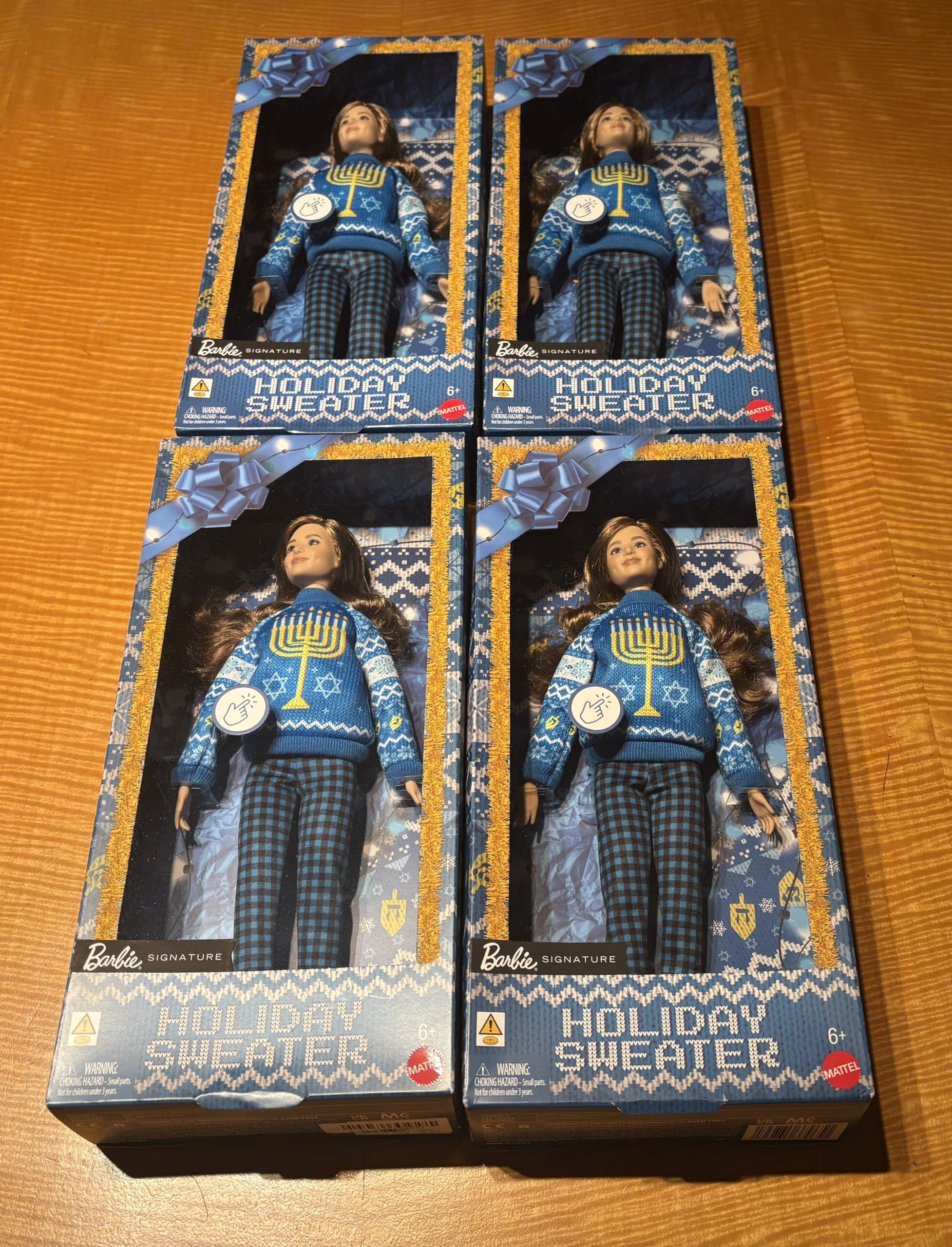
The four Hanukkah Barbies I bought for my granddaughters, the first Jewish Barbie ever! Photo credit: Harlan Levy





Consumer columnist and West Hartford resident Harlan Levy has more than 20 years of experience writing stories about everyday experiences that anyone could encounter.

Harlan Levy. Courtesy photo
By Harlan Levy
In my column two weeks ago I talked about the historic release last month of the first Jewish Barbie, Hanukkah Barbie. In fact, there are Black/African American Barbies, Hispanic/Latina, Asian, Pacific Islander, Indigenous/Native American, and mixed-race Barbies – but there has never been a Jewish Barbie.
I also described how some scheming, conniving shysters immediately bought up the entire supply of $27 Hanukkah Barbies and began selling them online for prices up to $350 and higher. And, although my wife wanted to get one for each of our three granddaughters, she refused to pay – even one lot we found priced at $94 each as an evil ripoff.
I also described the rabid backlash as Jewish grandmothers and mothers posted comments criticizing the Barbie’s nose as too big and too hooked as an antisemitic insult. In reality, Barbie’s nose is exactly the same size as any other Barbie.
Meanwhile my wife had a trenchant comment about my column:
“You really harp much too much on whether the nose is too big or hook-shaped. The big point you do not address but Kveller and other publications did was WHY I want three and why this doll is newsworthy: It is so rare for Jews to find representation in pop culture (and this particular representation in an iconic children’s product has been such a long time coming) that every Jewish mother and grandmother who grew up with Barbie dolls wants her children and/or grandchildren to have one. Truth be told, I WANT ONE MYSELF but figured I could enjoy watching them play with theirs,” she wrote. “This is such a big deal, especially in an era of heightened antisemitism, that I might actually still spring for one or two at inflated prices. I continue to monitor the prices almost daily. Do you not get this?
“Your story came across as potentially offensive, in large part because you overlooked this key point.”
After reading my wife’s comments I had second thoughts. I decided my granddaughters deserved a Jewish Barbie in light of the bigger story, and I bought them three at $75 each, which, with taxes and delivery charges, cost me $94 each: yes, a rip-off.
And I bought a fourth Hanukkah Barbie for my wife – and to have here at home when our grandchildren visit, including Otto, 2. He should have a Hanukkah Ken! Mattel (Barbie maker): Are you listening?

The Black/African American Barbie. Barbie’s are multi-dimensional … but never a Jewish Barbie – until now. Courtesy of Harlan Levy
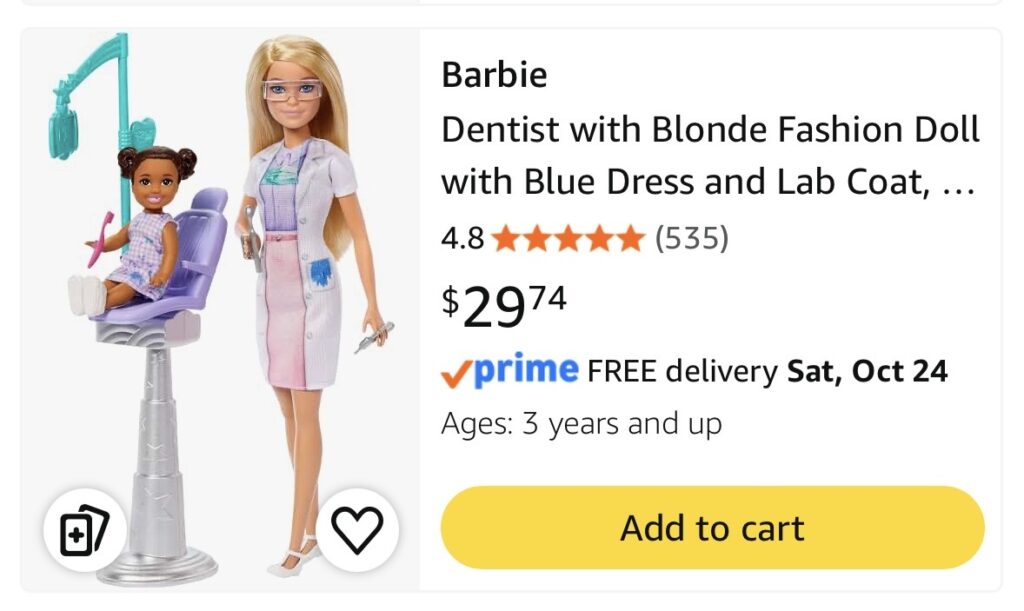
Barbie’s are multi-dimensional … but never a Jewish Barbie – until now. Courtesy of Harlan Levy
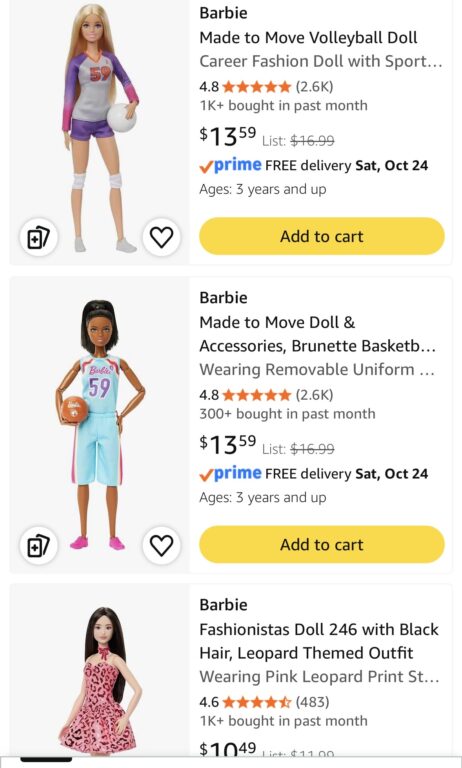
Barbie’s are multi-dimensional … but never a Jewish Barbie – until now. Courtesy of Harlan Levy
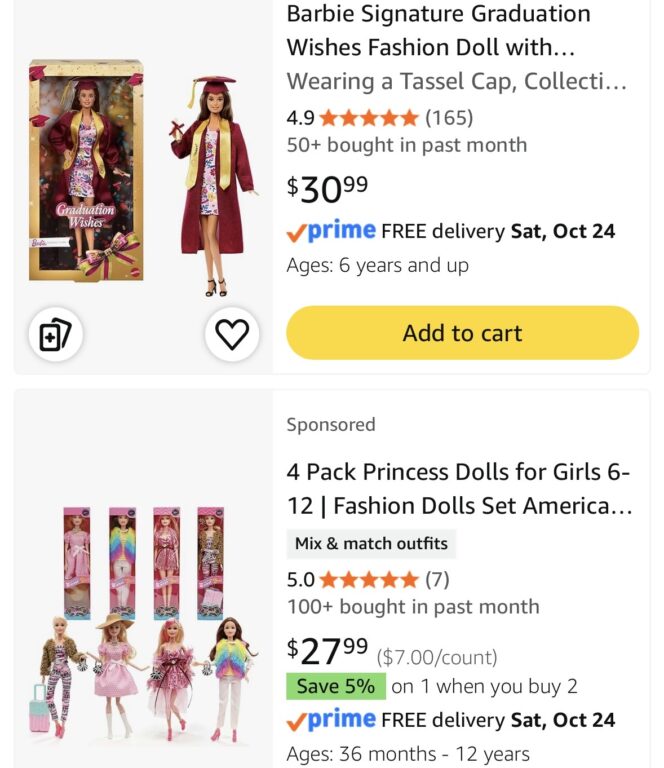
Barbie’s are multi-dimensional … but never a Jewish Barbie – until now. Courtesy of Harlan Levy
Barbie’s are multi-dimensional … but never a Jewish Barbie – until now. Courtesy of Harlan Levy
Hep B shot
The U.S. Food and Drug Administration just approved Hibsago (bepirovirsen) injection, in combination with existing antiviral therapy, to treat chronic hepatitis B virus (HBV) infection in certain adults without cirrhosis. Hibsago is the first FDA-approved antisense oligonucleotide to treat chronic hepatitis B. Hibsago is approved for certain adults without cirrhosis who have been taking HBV antiviral therapy for at least six months, have suppressed levels of HBV in their blood and have hepatitis B surface antigen (HBsAg) levels of 3,000 IU/mL or less, as determined by an FDA-authorized test.
“For many people living with chronic hepatitis B, treatment can mean taking antiviral medication for years to keep the virus suppressed,” said Wendy Carter, DO, Acting Director of the Office of Infectious Diseases in the Center for Drug Evaluation and Research. “Hibsago provides a new treatment approach that gives some patients the possibility of maintaining control of the virus after all chronic HBV treatment has ended. This approval represents an important advance for people living with this serious disease.”
Chronic hepatitis B is a long-term liver infection. Over time, the infection can lead to serious liver disease, including cirrhosis, and increase the risk of liver cancer. Hibsago works by targeting the genetic instructions the virus uses to make copies of itself and viral proteins, helping reduce the amount of virus and hepatitis B surface antigen in the body.
Researchers studied Hibsago in two clinical trials that compared it with a placebo, an inactive treatment. Hibsago is injected under the skin for up to 24 weeks. Patients take it alongside their existing hepatitis B medicine and continue that medicine for at least 24 weeks after their last Hibsago injection. Some patients may then be able to stop their existing medicine if they meet certain health and lab test requirements.
Yay for the FDA!
NOTE: If you have a consumer problem, contact me at [email protected] (“Consumer” in subject line), and, with the power of the press, maybe I can help.
Like what you see here? Click here to subscribe to We-Ha’s newsletter so you’ll always be in the know about what’s happening in West Hartford! Click the blue button below to become a supporter of We-Ha.com and our efforts to continue producing quality journalism.