
Consumer Diary: Ketchup, Grocery Barcodes, Lanternfly

Audio By Carbonatix
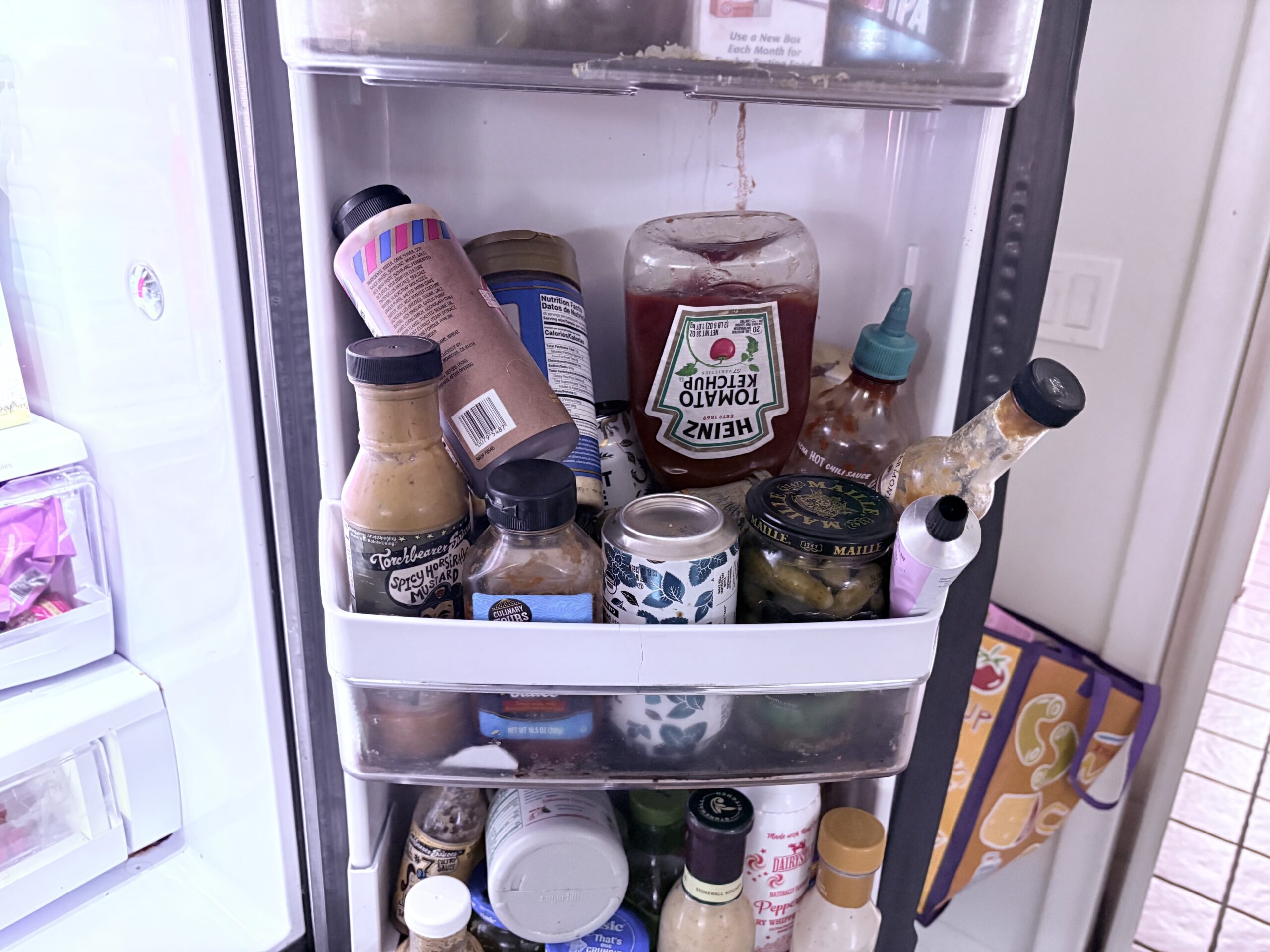
Keeping ketchup in your fridge door may be dangerous … or is it??? Photo credit: Harlan Levy





Consumer columnist and West Hartford resident Harlan Levy has more than 20 years of experience writing stories about everyday experiences that anyone could encounter.

Harlan Levy. Courtesy photo
By Harlan Levy
Before I get to my main topics – new more protective grocery barcodes and the Spotted Lanternfly invasion – here’s a little food hack:
I like ketchup on hamburgers and, in the past, French fries – although I’ve eliminated fries from my diet, ‘cause they’re not good for my no-longer-bleeding ulcer – and we always have a big container of it in our fridge door.
But, I learned from an article on Facebook that popped up while scrolling through the site that we may be making a mistake; “Ketchup: Here’s the part nobody tells you. The refrigerator door is the warmest and least stable zone in the entire appliance. Every time you swing it open to grab a soda, cold air pours out and warm kitchen air rushes in. The main shelves recover fast because they’re tucked deep inside. The door does not.”
Indeed, people avoid storing items that aren’t ketchup in the fridge door, because the door is the warmest area, opening a lot. Also, constant temperature swings can lower food quality.
But two other responses to the negative advice said that “you CAN store ketchup in the fridge door. Because it has a lot of vinegar, sugar, vinegar and salt, ketchup is high in acid and resists bacteria. This makes the fridge door a fine spot for it.”
Also, commercial brands like Heinz are engineered to be shelf-stable, and food safety guides categorize ketchup as a stable condiment safe for door storage.
Now you know.
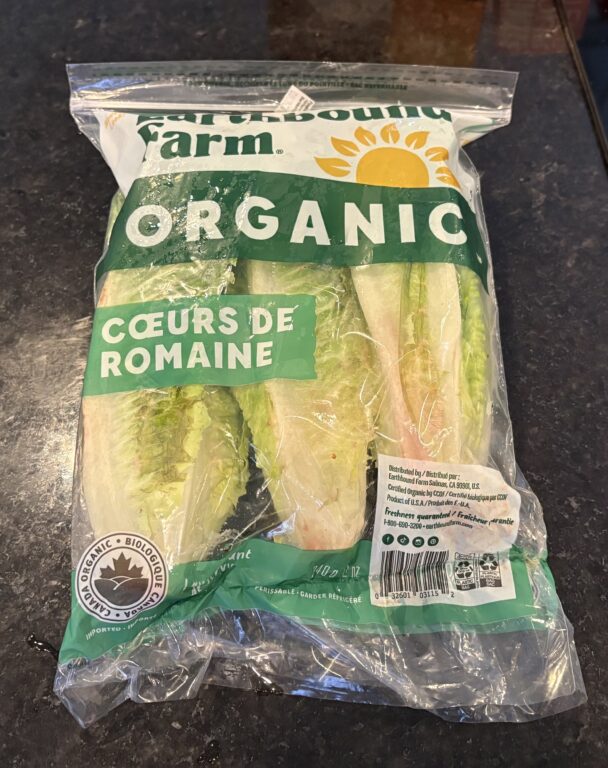
The traditional bar code on your grocery items has serious issues and failures to detect dangerous items. Photo credit: Harlan Levy
New barcodes
It turns out that traditional grocery linear UPC stripe barcodes that cashiers routinely scan are supposed to check for dangerous items actually have serious issues including physical damage, poor print contrast, and lack of item-specific batch tracking, according to an article in Quality Dige]st and other sources.
“These traditional 1D Universal Product Codes (UPCs) only identify product types rather than individual lot numbers, complicating food safety recalls,” the report said. “They also cannot track expiration dates or specific supply chain origins.”
That’s why grocery stores are transitioning to square GS1 Digital Link and DataMatrix-style 2D barcodes by the end of 2027 under the global Sunrise 2027 initiative. These codes carry up to 3,000 characters – including batch numbers, serial numbers, and exact expiration dates – allowing checkout registers to automatically block expired or recalled items from being sold.
“If a specific batch of food is pulled for safety concerns (like a bacterial outbreak), the register scans the lot number and refuses to ring it up,” the article said. “Cashiers and self-checkout lanes automatically reject products that have passed their safe consumption date.” And registers can automatically apply price drops for items nearing their expiration, replacing manual clearance stickers.
Also you’ll be able to scan the square code with a smartphone to check ingredients, farm origin, allergens, or recall updates at home.
That can’t happen soon enough with all the life-threatening food issues these days.
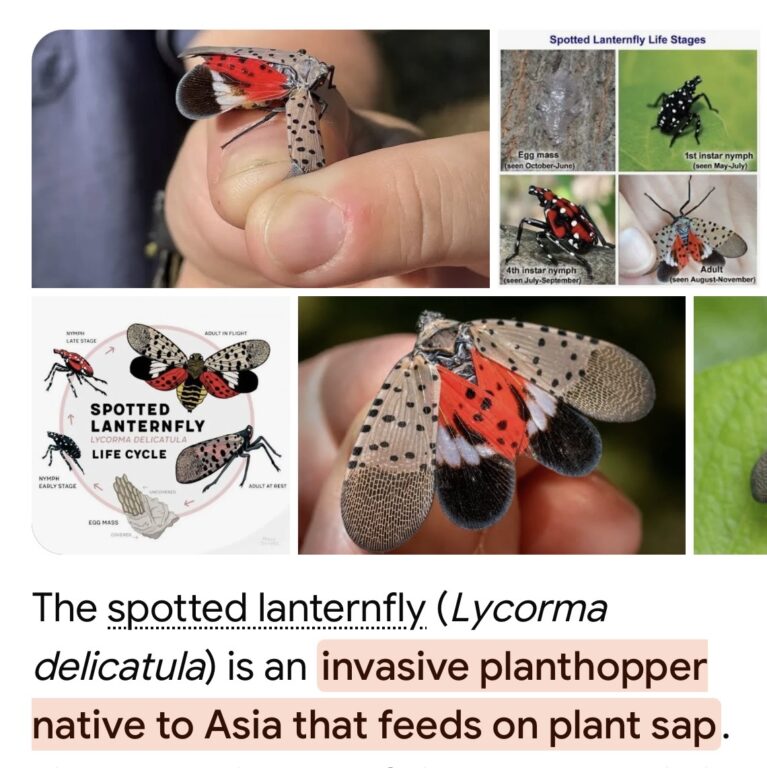
This resourceful scourge of vegetables, trees, and flowers has invaded Connecticut. Courtesy of Harlan Levy
Spotted Lanternfly
Walking from Main Street in Hartford to Theaterworks on Pearl Street last week we encountered at least a dozen Spotted lanternflies, the scourge of our flowers, trees, and vegetables. We stamped on all of them, but they were just the sign of a big problem.
Spotted lanternflies are heavily active and spreading across all eight counties in Connecticut, the Connecticut Agricultural Experiment Station just reported.
State officials urge residents to “see it, squish it” to protect local vineyards, orchards, and hardwood trees. The invasive bugs hitchhike easily on vehicles along major travel corridors like I-91 and I-95.
They target grapevines, apple trees, hops, and various hardwood trees by sucking vital plant sap. Populations are well established in southern and western counties and are expanding heavily through central and northern areas, CAES warned.
Adults are about an inch long with tan-and-black spotted forewings and striking red-and-black hindwings. If you see a spotted lanternfly, step on it immediately. Approach from the front, as they jump or fly forward when startled. Also, inspect vehicles and gear for hitchhiking adults or egg masses before traveling.
Now you know even more.
NOTE: If you have a consumer problem, contact me at [email protected] (“Consumer” in subject line), and, with the power of the press, maybe I can help.
Like what you see here? Click here to subscribe to We-Ha’s newsletter so you’ll always be in the know about what’s happening in West Hartford! Click the blue button below to become a supporter of We-Ha.com and our efforts to continue producing quality journalism.