
Consumer Diary: Reimbursement, Dog Water

Audio By Carbonatix
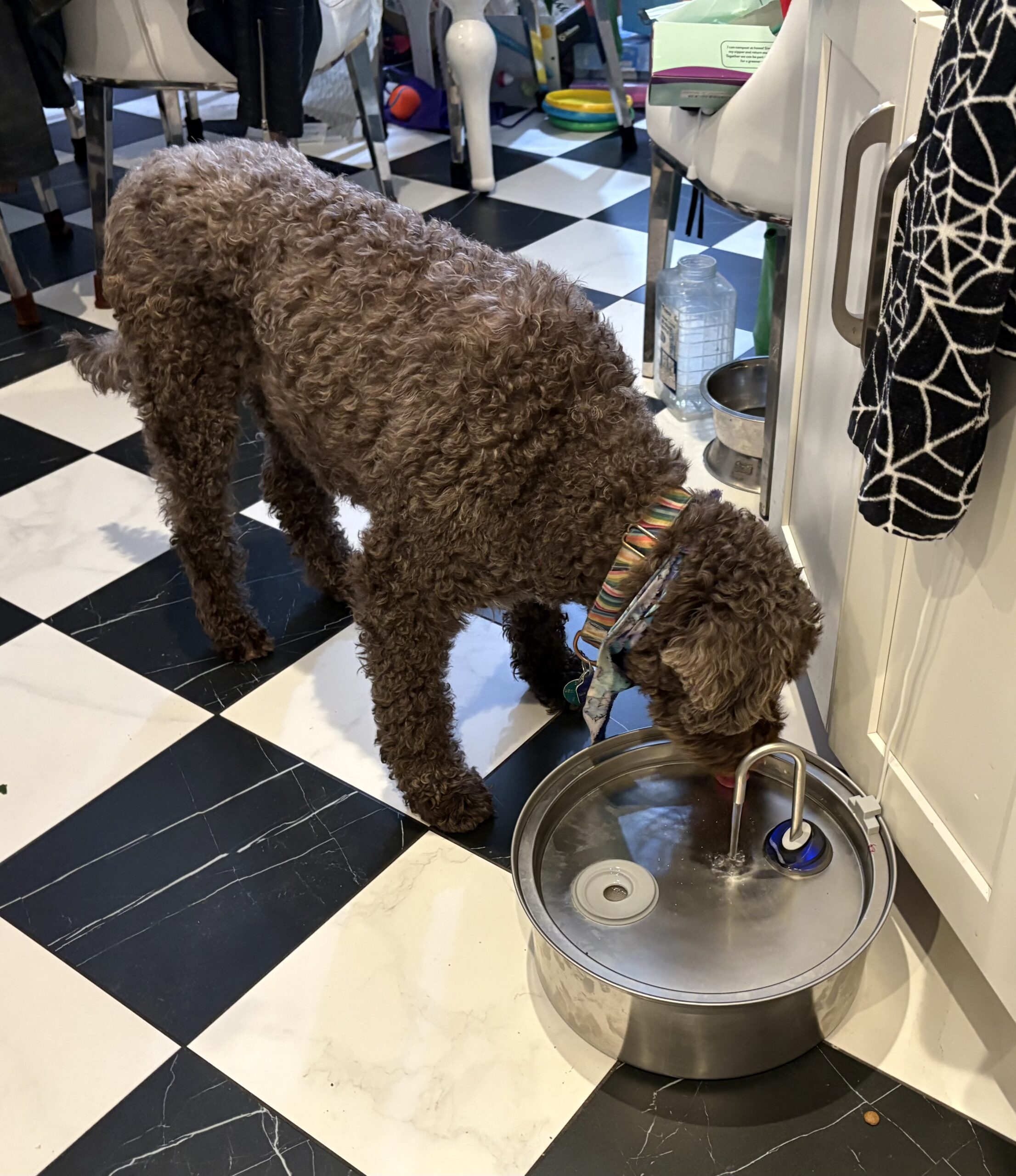
he question was would Latke like her new electric running water fountain. Answer: Yes! Photo credit: Harlan Levy





Consumer columnist and West Hartford resident Harlan Levy has more than 20 years of experience writing stories about everyday experiences that anyone could encounter.

Harlan Levy. Courtesy photo
By Harlan Levy
First some good personal news:
In my Sept. 16 column I wrote about how I came to purchase a big, bright red, four-wheel electric scooter costing $1,469. I added that, afterward, a good friend – the infamous Stan G. – told me that it was possible to get a big refund if I applied to my insurer.
My insurer, ConnectiCare, said it was indeed possible if I provided various doctors’ assessments of my medical conditions, which I did. ConnectiCare said it would take 60 to 90 days for a decision. I didn’t care since I had sold my 11-year-old wonder car Subaru Outback for $8,500.
On Saturday, five weeks after applying, I received a check for $1,527.62, including taxes! How about that! I did not get reimbursed for the $400 shipping charge, so the entire cost of the scooter was only $400! What a deal! Thanks Stan G!
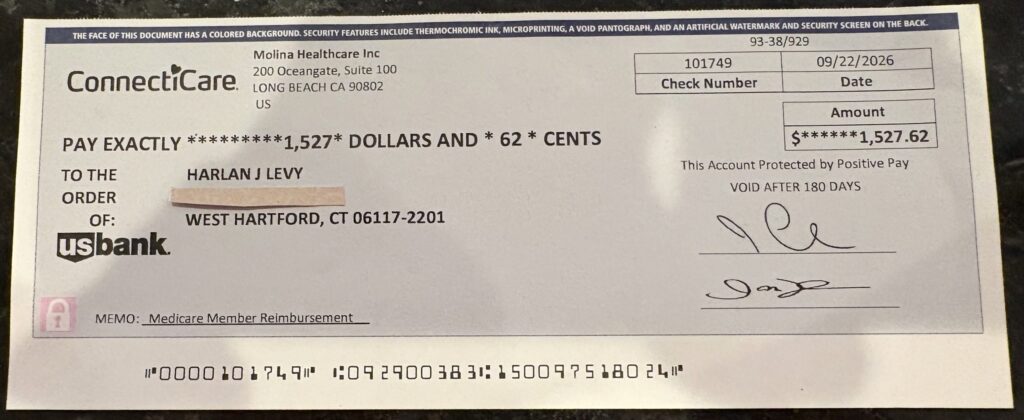
On Saturday I was surprised to receive this check for $1,527.62, completely reimbursing me for my $1,469 purchase of my bright red, four-wheel electric scooter plus taxes. Good news, eh? No, great news! Photo credit: Harlan Levy
Dog water
My wife recently received an unsolicited dispatch on Facebook, stating that dogs (and cats) prefer drinking running water – like from streams in ancient times – rather than from bowls of standing water. We researched running water products and bought a stainless steel water fountain from OneIsAll.
Here’s why:
- Instinctual Attraction: Dogs have a natural instinct to prefer running water over still water, which they view as safer and cleaner. Also, research indicates that dogs prefer drinking cool water. A pet water fountain’s continual water circulation helps maintain a consistent temperature and keeps the liquid oxygenated, cooler, and cleaner, and encourages your dog or cat to take on more fluids to prevent the risk of dehydration on hot days or to help manage a medical condition.
- Built-in Filters: Fountains use carbon and mesh filters to remove hair, food particles, and slobber that quickly make a standard bowl dirty.
- Fountains hold more water than most bowls, meaning fewer refills and less risk of running dry.
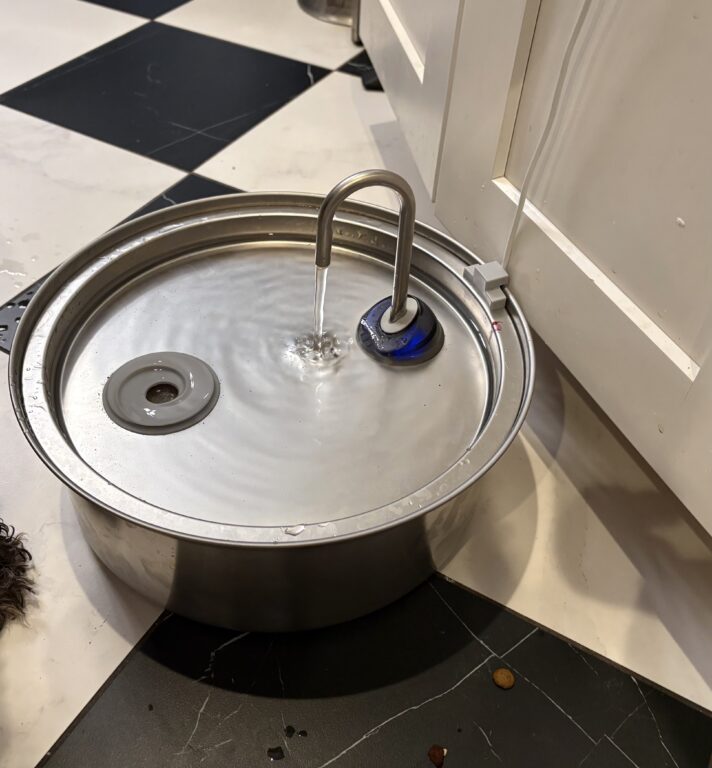
The AllIsOne electric water fountain, providing running water the way dogs (and cats) prefer it. Cost: $50. Photo credit: Harlan Levy
Advice:
- Stainless steel pet fountains are the most hygienic option, and are super tough. Ceramic fountains are also available, but they can be heavy and more fragile. Pet water fountains are commonly made from plastic. While they’re lightweight and economical, research suggests plastic bowls more readily accumulate bacteria and can cause skin reactions in some dogs.
- Consider a pet water fountain that has apps that alert you when the filter needs changing, water levels are low, or it’s time to do a deep clean. Otherwise, change the water and wash out the container and replace the filter every week or so, because the bottom of the tank and around the filter develops a slimy film.
- If you’re considering a wireless pump, it will reduce safety risks and provide more flexibility for where you position the fountain.
- Shop around on Amazon, and you’ll find several such products at similar charges. Our 1.8-gallon model cost $50.
Storm damage scams
- In the wake of the weekend nor’easter, you should be aware of “storm chasers” or individuals who may try to take advantage of you after a storm causes property damage, the Better Business Bureau CT warns.
- Resist high-pressure sales: Some storm chasers use tactics such as a “good deal” that is available only if you hire the contractor on the spot. Disaster victims should never feel forced to make a hasty decision or to choose an unknown contractor.
- Be especially careful of door-to-door contractors.:Ask for identification. Check their vehicle for a business name, phone number, and a Connecticut license plate.
- Contact your insurance company: Ask about your policy coverage and specific filing requirements. Be sure to confirm the insurance deductible that you will need to pay. Save all receipts, including those for food, temporary lodging, or other expenses that may be covered under your policy. Your insurance company may also have recommended contractors or specific requirements.
- Don’t sign over insurance checks to contractors. Get an invoice from the contractor and pay them directly. If the business allows it, consider paying with a credit card, which offers additional fraud protection over other forms of payment. Don’t sign any documents that give the contractor rights to your insurance claims. Be sure to read any documents or contracts carefully before signing them.
- Be wary of places you can’t see: While most contractors abide by the law, be careful allowing someone you do not know to inspect your roof and other areas of your house. An unethical contractor may create damage to get work. Ask for pictures of the damage that allow you to verify they are of your home.
- Do research: Find businesses you can trust at BBB.org by looking for the Accredited Business Seal. Check to see if the business is properly licensed at the state Department of Consumer Protection. Get references from friends and relatives.
Now you know.
NOTE: If you have a consumer problem, contact me at [email protected] (“Consumer” in subject line), and, with the power of the press, maybe I can help.
Like what you see here? Click here to subscribe to We-Ha’s newsletter so you’ll always be in the know about what’s happening in West Hartford! Click the blue button below to become a supporter of We-Ha.com and our efforts to continue producing quality journalism.