
Review: Toyota 4Runner Trailhunter Combines Luxury with Ruggedness

Audio By Carbonatix
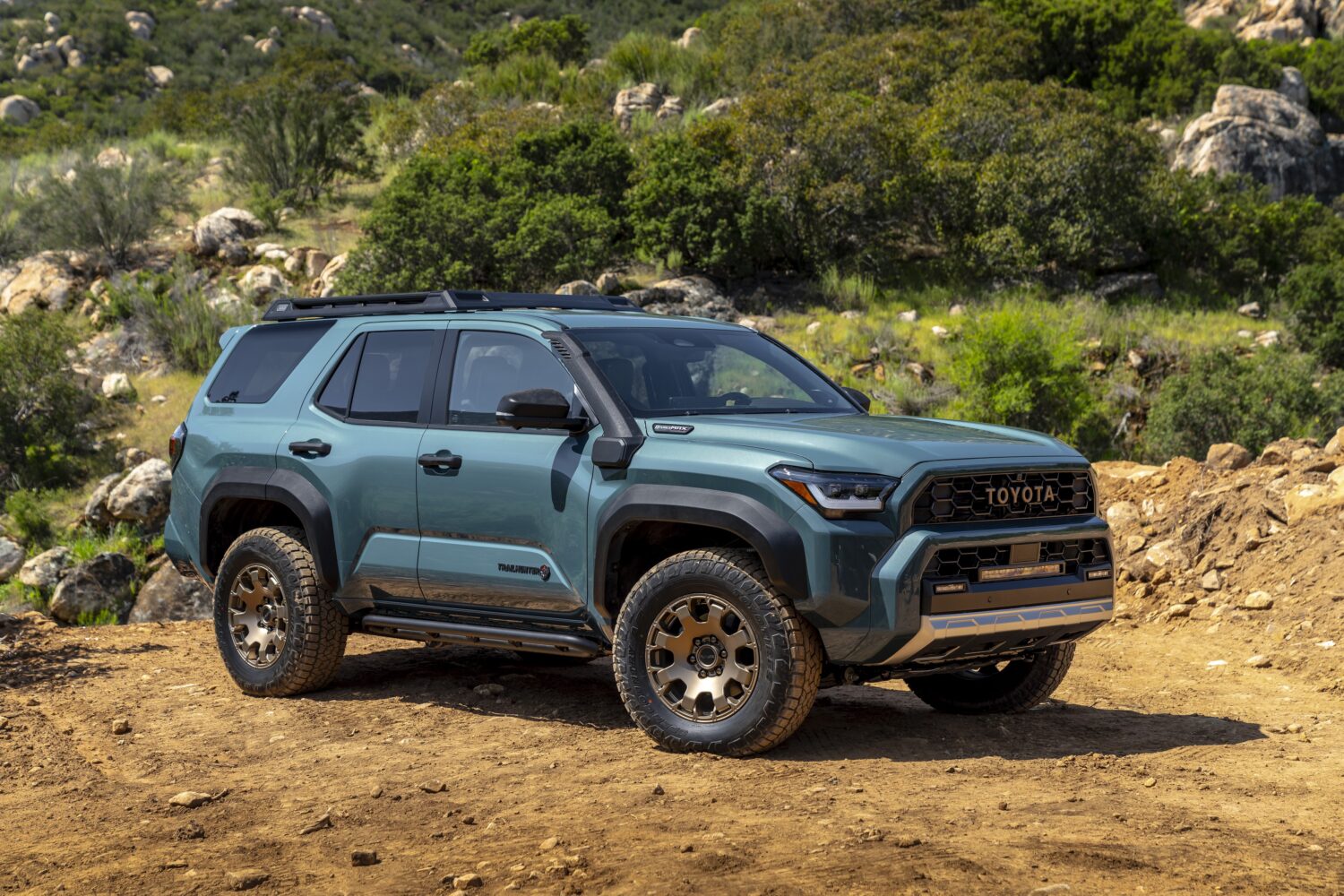
2026 Toyota 4Runner Trailhunter Everest. Courtesy image





With the exception of its limited payload capacity, the Toyota 4Runner Trailhunter is a shining highly specialized addition to Toyota’s lineup.
By Keith Griffin
As an auto journalist with more than 25 years experience, I’ve driven some fast cars that break the 5-second mark accelerating from 0-60. They’re fun, but I’ve had more fun behind the wheel when driving under 5 mph on off-road courses.
That’s why I enjoyed the 2026 Toyota 4Runner Trailhunter so much. Sadly, I didn’t have the opportunity to leave the pavement with it, but this model marks a monumental shift for one of America’s most beloved off-road icons, delivering a turnkey overlanding rig straight from the factory floor for an MSRP of around $68,000. The Trailhunter is purpose-built for slow, methodical, long-distance exploration. It offers a masterclass in how to build a rugged adventure vehicle without requiring a trip to an aftermarket catalog.
A Bold, Purpose-Built Stance
Visually, the Trailhunter commands attention. It sits two inches wider than a standard 4Runner, armored with aggressive, fat fender flares. Up front, the signature Toyota Heritage grille is flanked by brilliant, color-selectable Rigid LED fog lights and an integrated 20-inch LED light bar.
Toyota went all-in on co-branded overlanding gear. The roof features a heavy-duty ARB roof rack, perfect for strapping down gear or camping equipment. Underneath, the vital components are heavily guarded by a fortress of steel skid plates and frame-mounted rock sliders. At the rear, an integrated onboard air compressor allows you to air back up instantly after leaving the trail.
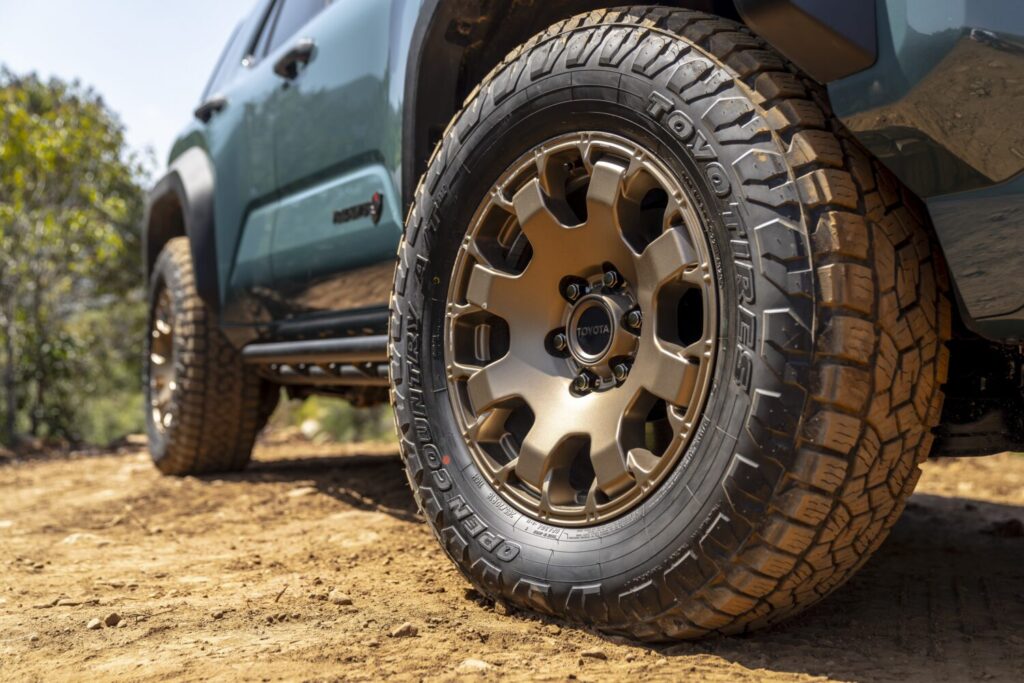
2026 Toyota 4Runner Trailhunter Everest. Courtesy image
The Torque-Forward i-FORCE MAX Powertrain
Under the hood, the time-honored V6 engine is replaced by the cutting-edge i-FORCE MAX hybrid powertrain. Combining a 2.4-liter turbocharged four-cylinder engine with a electric motor integrated directly into the 8-speed automatic transmission, this mill churns out 326 horsepower and an impressive 465 lb-ft of torque.
On the road, the immediate low-end torque from the electric motor makes the heavy Trailhunter feel surprisingly quick off the line. Off the road, that 465 lb-ft of torque is the star of the show, allowing the SUV to crawl over obstacles with effortless precision. Furthermore, the hybrid system brings a welcome boost to fuel economy, delivering a vastly improved EPA-estimated 23 mpg city and 24 mpg highway – a luxury old 4Runner owners could only dream of. My real-world experience was a combined 18 mpg, which is painful at the pump.
Towing capacity is robust, maxing out at a competitive 6,000 pounds.
Unstoppable Trail Capability
Where the Trailhunter truly shines is on technical, rocky trails. Toyota partnered with ARB to equip the truck with specialized Old Man Emu (OME) position-sensitive shocks. Paired with 33-inch Toyo Open Country all-terrain tires wrapped around 18-inch bronze alloy wheels, (a design misstep in my humble opinion) the suspension lifts the vehicle to achieve 10.2 inches of ground clearance. A specialized high-clearance front bumper drastically improves the approach angle to 33 degrees.
When things get genuinely steep and articulated, a button-activated front stabilizer bar disconnect allows the front wheels to drop and maintain contact with the ground. Combined with an electronically locking rear differential, Toyota’s upgraded Multi-Terrain Select (MTS), and a 5-speed Crawl Control system, the vehicle can practically drive itself up steep obstacles while you simply focus on steering. A full multi-view camera system provides clear tires-eye views of the trail, entirely eliminating guesswork over blind crests. The steel plates mentioned above protect the 4Runner when mishaps occur, but this camera system prevents those mistakes.
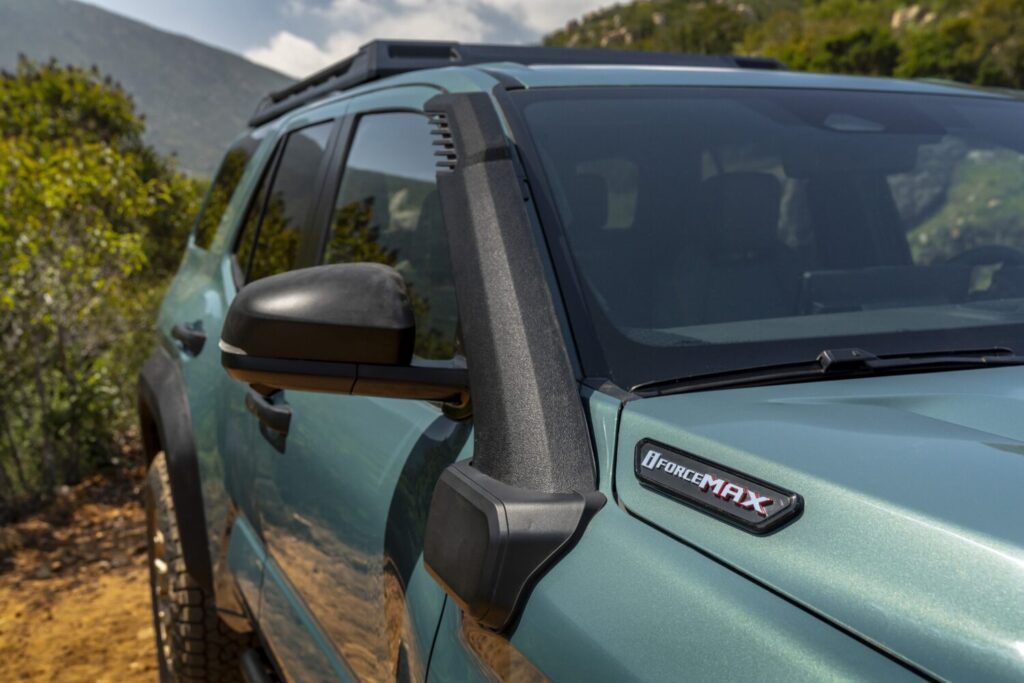
2026 Toyota 4Runner Trailhunter Everest. Courtesy image
Comfort Meets the Reality of Payload
Inside, the cabin is modern and family-friendly, a major leap forward from past generations. A massive 14-inch touchscreen takes center stage, but Toyota wisely kept physical buttons for the climate controls. The synthetic leather seats are both heated and ventilated, and the rugged materials feel upscale yet easy to clean after a muddy weekend. And yes – the iconic roll-down rear window remains intact.
However, the Trailhunter does have one major Achilles’ heel: its payload capacity. Despite its heavy-duty suspension and overlanding branding, the payload capacity is limited to just 879 pounds. This number includes the driver, all passengers, and any gear. If you plan to load up the ARB roof rack with heavy rooftop tents, auxiliary fuel cans, and steel storage drawers, you will rapidly exceed the vehicle’s legal limits.
The Verdict
The 2026 Toyota 4Runner Trailhunter is a phenomenal, highly specialized addition to the lineup. It successfully delivers a ready-to-go overlanding machine backed by Toyota’s legendary reliability and modern fuel efficiency. Aside from a restrictive payload rating and minor cabin noise from the high-mounted intake, it stands out as one of the most capable, comfortable, and well-engineered factory 4x4s ever built for the modern outdoor enthusiast.
Keith Griffin, a West Hartford resident, is a longtime automotive journalist and past president of the New England Motor Press Association. He has spent decades testing the latest vehicles.
Like what you see here? Click here to subscribe to We-Ha’s newsletter so you’ll always be in the know about what’s happening in West Hartford! Click the blue button below to become a supporter of We-Ha.com and our efforts to continue producing quality journalism.



I really love the car- Toyota 4wheel drive jeep: Review us superb. I hope to buy one, if given the assistance.