
Consumer Diary: Alzheimer’s, Back-To-School Scams

Audio By Carbonatix
Courtesy of Harlan Levy





Consumer columnist and West Hartford resident Harlan Levy has more than 20 years of experience writing stories about everyday experiences that anyone could encounter.

Harlan Levy. Courtesy photo
By Harlan Levy
On Monday I had just finished my usual breakfast half avocado, when I thought that we should get a container of (pause) … “What’s the word?” I thought. “Come on Harlan. You can’t remember the word???” I actually had to look up “avocado dip” to get “guacamole.” (Which I bought on Tuesday at our nearby Whole Foods.)
Uh oh. Is this the beginning of the end? I thought. Or just a mere memory blip due to age (I’m not 50 any more)? Or mild cognitive decline? Or the start of (oh my God) Alzheimer’s?
If any of you readers have had this bewildering consumer experience, or have wondered about it, there’s actually some good news about Alzheimer’s (if there ever could be).
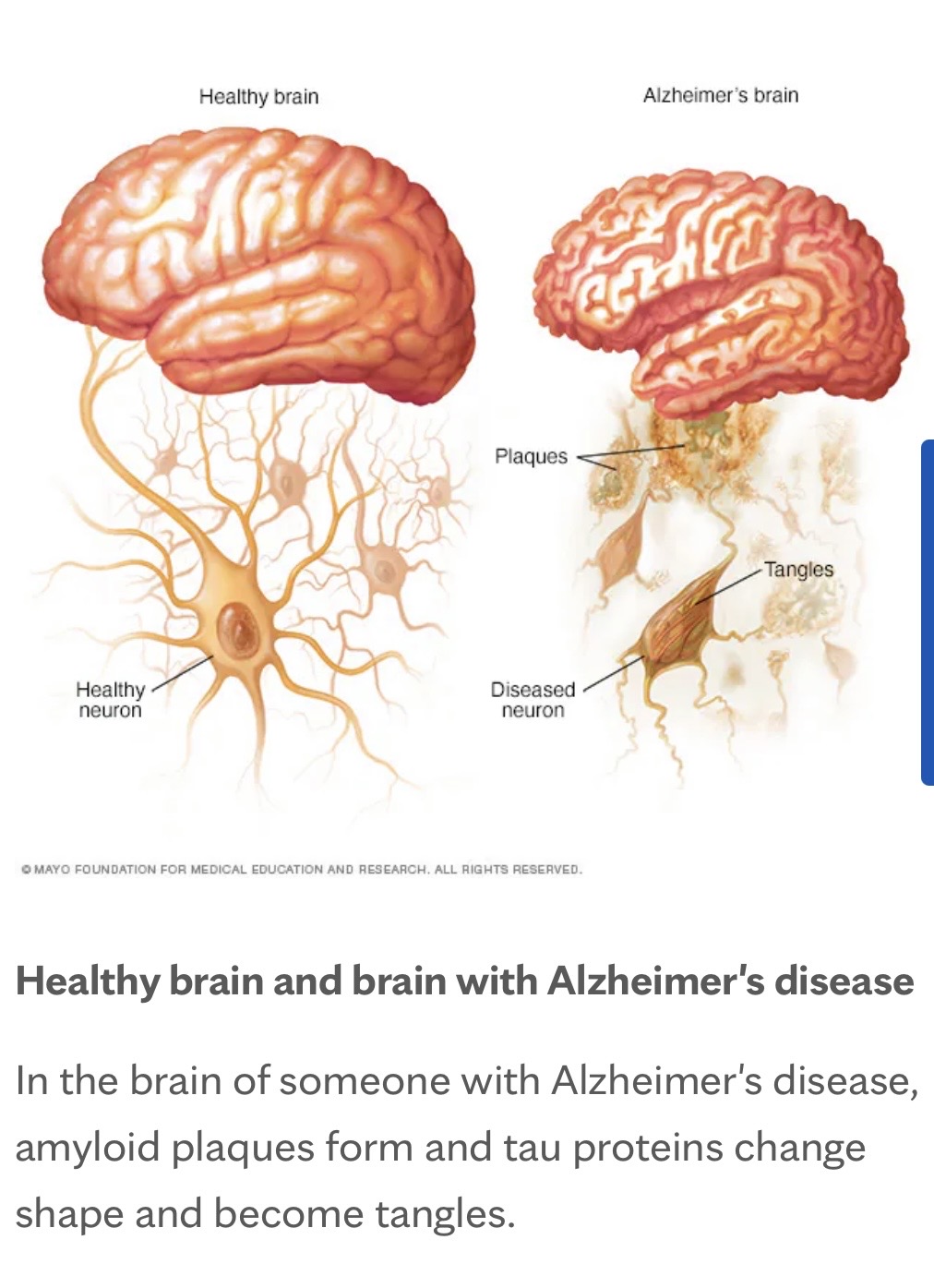
New results revealed at the Alzheimer’s Association International Conference in the week of July 15 in London showed that the investigational drug diranersen (BIIB080) – a tau-lowering therapy to lower the levels of the Alzheimer’s marker protein tau in the brain – slowed cognitive decline across multiple clinical measures in people with early Alzheimer’s disease.
An article in West Coast Biotech & Life Sciences reported that researchers described the findings as the strongest evidence to date that targeting the protein tau can alter the course of the disease and represent the first randomized, placebo-controlled evidence that lowering tau may provide a clinical benefit for patients.
The new study described a previously unknown role that tau plays in neurodegeneration and suggested a novel way researchers might block the protein’s activity.
A team led by Stanford scientists found that “tau can gum up the works of a cell’s mitochondria, its energy-producing powerhouse,” the report said. “The protein sends electrons flowing in the opposite direction of their usual microscopic relay race, a reversal that generates reactive oxygen species, cellular stress, and inflammation.”
Scientists found that blocking this phenomenon, known as reverse electron transport, reversed many of the harmful effects and improved learning and memory in flies and mice.
New tau tracer
The U.S. Food and Drug Administration recently approved the diagnostic PET imaging tracer Tauklarify helping to prove the Stanford clinical trial data showing that tau-lowering therapies can slow cognitive decline.
Tauklarify allows clinicians to accurately image and quantify neurofibrillary tau tangles in patients being evaluated for Alzheimer’s disease. “This diagnostic tool provides high positive agreement rates in clinical evaluations,” the FDA said, “helping doctors map disease progression.”
That’s good news.

Courtesy of Harlan Levy
Back-to-school shopping scams
If you’re still shopping for your kids’ all-too-expensive school needs, be careful, the Federal Trade Commission warns: Fraudsters are using fake websites, social media ads, and phishing texts to steal money and personal data by offering unbelievable deals on electronics, supplies, and grants.
For example:
- Fake Online Retailers: Scammers build copycat websites or social media ads featuring deep discounts on laptops, dorm gear, and clothes that never arrive.
- Phishing & Grant SMS: Fraudsters text or email fake education grants, financial aid, or free tech promises requiring you to click malicious links.
- Scholarship Fraud: Con artists charge upfront “application” or “processing” fees for guaranteed scholarships.
- Impostor School Fees: Scammers pose as school officials claiming unpaid activity fees or tuition balances via urgent emails or phone calls.
Advice:
- Avoid clicking links in unsolicited texts, WhatsApp messages, or social media ads. Type the retailer’s URL into your browser directly.
- Check the Site: Look for “https://” and verify the exact web address before entering payment info.
- Use Secure Payments: Pay with a credit card, which offers fraud protection. Never use wire transfers, gift cards, or peer-to-peer cash apps for unfamiliar sellers.
- Verify Grants and Aid: Remember that legitimate government agencies or scholarship boards never charge fees to apply and rarely text or call with awards. Check official details via Grants.gov or FAFSA.
Now you know.
NOTE: If you have a consumer problem, contact me at [email protected] (“Consumer” in subject line), and, with the power of the press, maybe I can help.
Like what you see here? Click here to subscribe to We-Ha’s newsletter so you’ll always be in the know about what’s happening in West Hartford! Click the blue button below to become a supporter of We-Ha.com and our efforts to continue producing quality journalism.