
Consumer Diary: Scam, Seeds, Prescription Drug Charges

Audio By Carbonatix
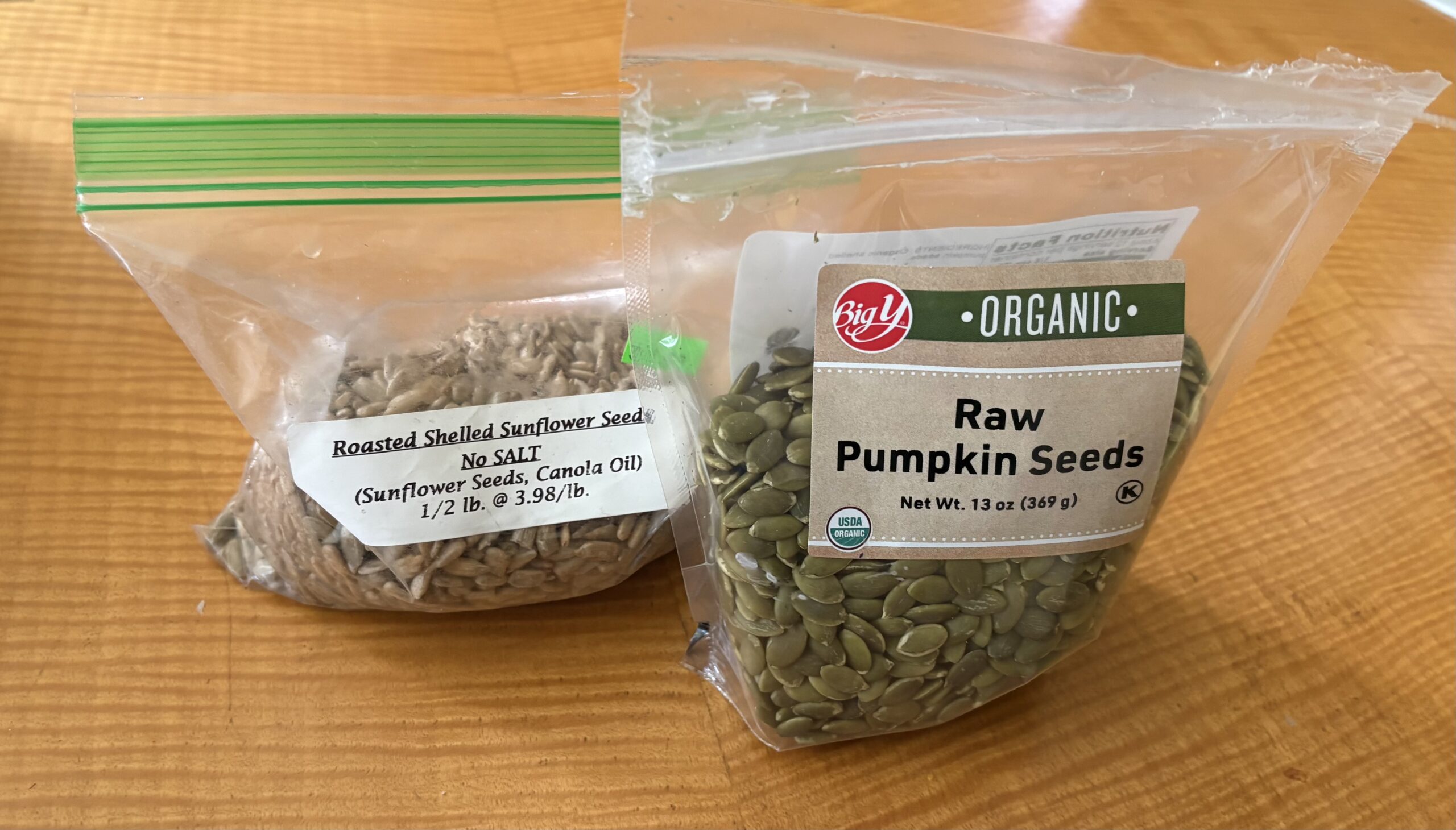
Seeds, including two that my health-conscious son gave me, are good for you. Photo credit: Harlan Levy





Consumer columnist and West Hartford resident Harlan Levy has more than 20 years of experience writing stories about everyday experiences that anyone could encounter.

Harlan Levy. Courtesy photo
By Harlan Levy
Before I get to my main topics – seeds and drug charge relief – here’s a scam that I almost fell for:
Last week I got the following text message:
“(810) 310-6905 Text Message • SMS Today 2:54 pm
CapitalOne: Did You Attempt A Transaction To Walgreens For $970.25
Reply YES or NO.”
I texted. Back “No.”
Then I received the following: “This Transaction Was Blocked & Your Account Has Been Temporarily Suspended. A Representative Will Contact You Shortly.”
Indeed, “Peter” called me and told me the charge was made in Chicago. I confirmed that I did not charge anything in Chicago and had not been there in decades. “Peter” then said he would cancel my card and send me a new card to my address. Knowing my address made me feel confident that “Peter” was legitimate. But I told him I had just received a new card and didn’t want another card. “Peter” then said he would not cancel my card, but he would send me a new password. I said thanks and hung up.
Then I called Capital One to make sure the call was legit. Ashley asked for the details of the call and checked my account. “You have no $970.25 charge on your account,” she told me, worrying me, “and no new password.” She then asked for “Peter’s” phone number. She checked and told me there was no such phone number associated with Capital One. “Was this a scam?” “Yes,” she answered.
Her advice: Anyone who gets what looks like a legitimate notice of a fraudulent credit card charge should call the credit card company and confirm it’s real or not and never respond, and never reveal your account number.
That was a close call. The capitalization of multiple words and spelling “CapitalOne” instead of “Capital One” should have tipped me off.
Eliminating extra drug charges
Good news for consumers: The Federal Trade Commission secured a settlement agreement with CVS’s Caremark, one of the nation’s largest pharmacy benefit managers (PBMs) and its affiliated entities, to lower their high middleman drug charges, adopt changes to drive down patients’ out-of-pocket costs, and ensure community pharmacies are treated fairly.
“The settlement brings billions in real savings to consumers feeling the pinch from excessive prescription drug prices,” FTC Chairman Andrew Ferguson said, and locks in place up to $8.5 billion in consumer savings over the next 10 years, also unlocking up to $4.5 billion in additional savings for patients over the same 10-year period from point-of-sale rebates.
Seeds
Our son gave me bags of seeds for my June birthday plus peanuts. OK, I thought, I’ll eat seeds every day. But first I researched information about how healthy seeds are: Here’s what I learned:
Seeds are nutrient-dense food sources, rich in protein, healthy fats, fiber, vitamins, and minerals. Common examples of seeds include chia, flax, hemp, pumpkin, and sunflower seeds, as well as grains, legumes, and nuts. They provide concentrated nutrients to support heart, digestive, and immune health, and can be eaten raw, roasted, or added to various dishes like salads, yogurt, and smoothies.
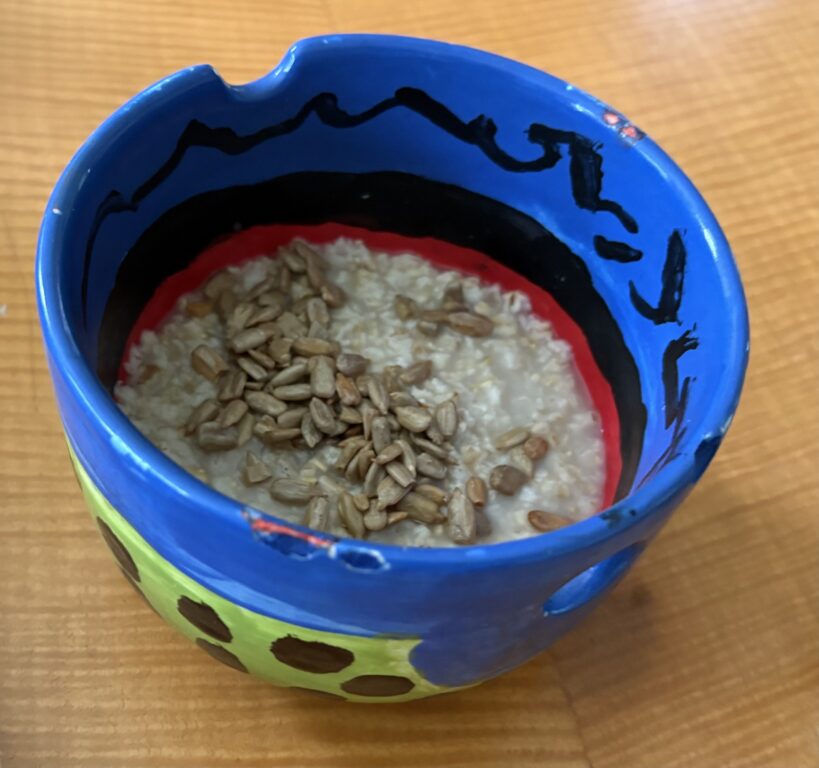
Eat seeds by adding them to oatmeal, cottage cheese, salads, etc. Photo credit: Harlan Levy
Edible seeds:
- Small seeds: Chia, flax, hemp, sesame, poppy, sunflower, pumpkin (pepitas).
- Grains: Wheat, rice, corn. Legumes: Beans, peas, lentils, peanuts.
- Nuts: Almonds, walnuts, pecans, hazelnuts (often considered tree nuts)
Nutritional benefits:
- Healthy fats: Omega-3s (flax, chia), polyunsaturated fats (hemp).
- Protein: All essential amino acids, plant-based protein.
- Fiber: Aids digestion, promotes gut health, helps with satiety.
- Vitamins and minerals: Vitamin E, B vitamins, magnesium, zinc, iron, selenium, phosphorus, calcium.
- Antioxidants: Protect cells from damage.
- May help lower cholesterol, thanks to their fiber, unsaturated fats, and plant compounds like phytosterols and lignans.
How to eat them:
Sprinkle on salads, oatmeal, yogurt, cottage cheese, or grain bowls. Blend into smoothies for a protein and fiber boost. Use in homemade granola, energy bites, or baked goods. Make seed butters (like sunflower seeds).
Now you know.
NOTE: If you have a consumer problem, contact me at [email protected] (“Consumer” in subject line), and, with the power of the press, maybe I can help.
Like what you see here? Click here to subscribe to We-Ha’s newsletter so you’ll always be in the know about what’s happening in West Hartford! Click the blue button below to become a supporter of We-Ha.com and our efforts to continue producing quality journalism.




Always relevant columns, thanks!