
Consumer Diary: Acupuncture, Compression Socks

Audio By Carbonatix
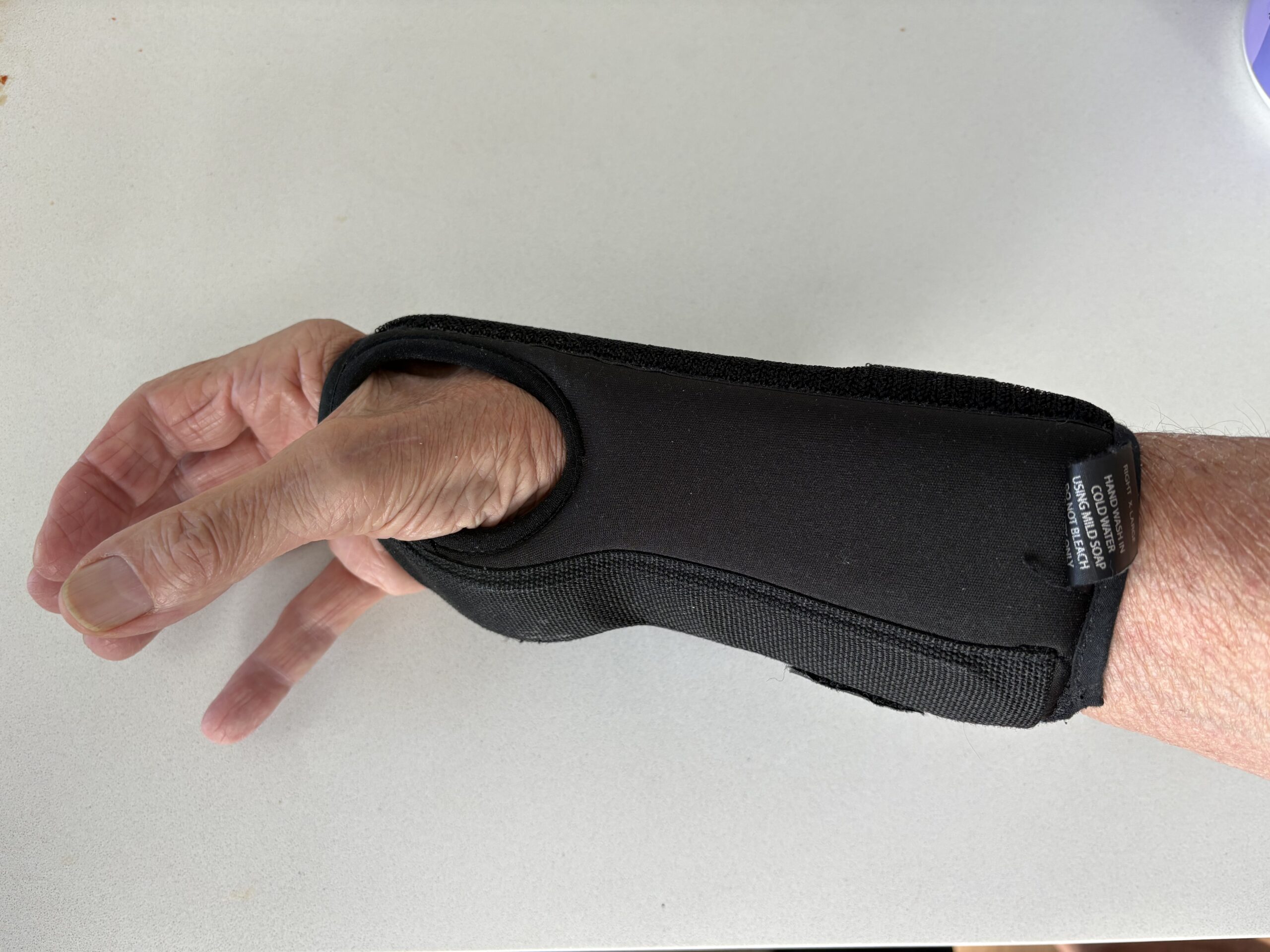
My severely arthritic right wrist has been painful for more than almost two years. But my first two weekly acupuncture treatments promise to lessen the pain when I twist my hand. Courtesy of Harlan Levy





Consumer columnist and West Hartford resident Harlan Levy has more than 20 years of experience writing stories about everyday experiences that anyone could encounter.

Harlan Levy. Courtesy photo
By Harlan Levy
Have any of you tried the ancient Chinese medical practice of acupuncture?
I’ve had lower back pain ever since I fell down an escalator at Westfarms Mall on Dec. 30, fracturing two lower back vertebrae. Although the pain is now an ache, ameliorated largely by two cortisone shots a month ago, the ache emerges by the nighttime.
Three months ago I asked for and received a referral to Acorn Acupuncture in town from my doctor. But I never requested an appointment, because the fractures have healed and the ache largely disappeared … until two weeks ago after another unfortunate fall in my house banged my ribs, and my backache reappeared.
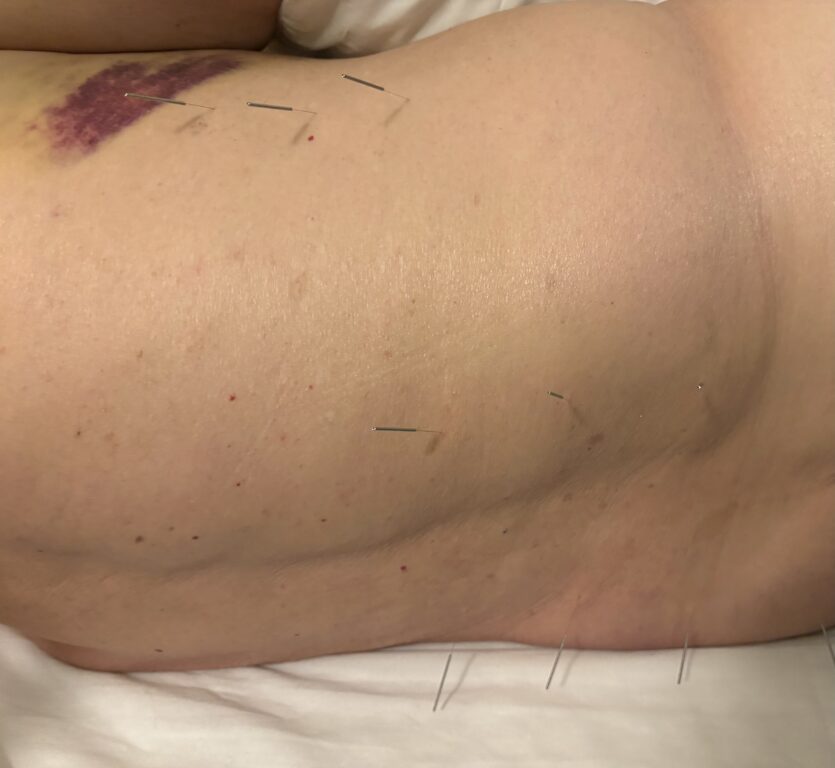
My second weekly acupuncture treatment for lower back pain and pain in my upper right side (dark red bruise) where I hurt my ribs. It’s said after 6-8 weekly treatments my pain will largely abate. Courtesy of Harlan Levy
So, I decided to try acupuncture. My first session two weeks ago did reduce my backache and eased my badly arthritic wrist pain, and my session last Wednesday also helped. My third session today, I hope, will make it all even better, and I’m committed to doing this once a week.
Acupuncture, as you may know, is a traditional Chinese medicine practice – that began about 3,000 years ago – that involves inserting very thin, sterile needles into specific points on the body to relieve pain, reduce stress, and promote healing.
From some internet research I learned that the practice aims to balance the flow of energy or life force known as qi (pronounced “chee”) along pathways called meridians. Western medical acupuncture suggests that the needles stimulate sensory nerves, trigger muscle relaxation, increase local blood flow, and prompt the central nervous system to release natural painkillers like endorphins.
Common Uses & Benefits
Acupuncture is most frequently used for conditions including:
- Chronic pain (such as lower back, neck, and knee pain)
- Headaches and migraines
- Osteoarthritis
- Post-operative or chemotherapy-related nausea
- Stress and general wellness.
- A typical initial session lasts from 30 minutes to an hour.
Needle Insertion: Around 5 to 20 ultra-thin, single-use disposable needles are gently inserted into strategic points. Most people feel little to no pain – only a mild heavy sensation, warmth, or dull ache.
Duration: Needles typically remain in place for 10 to 30 minutes while you rest.
Treatment Plan: A standard course of care for a specific issue often involves 6 to 8 sessions.
Local hospital options include services like Hartford Hospital Integrative Medicine, or you can browse local practitioners via West Hartford Acupuncture Listings on Yelp. Also, Medicare Advantage plans cover it, but you need to ask the acupuncture office if your insurance carrier has it in its network.
Compression socks
For almost a decade I’ve been wearing compression socks – and, sadly, given up wearing my large collection of colorful, interesting regular socks. Compression socks help ensure that swollen ankles and feet subside and blood and water doesn’t pool in them.
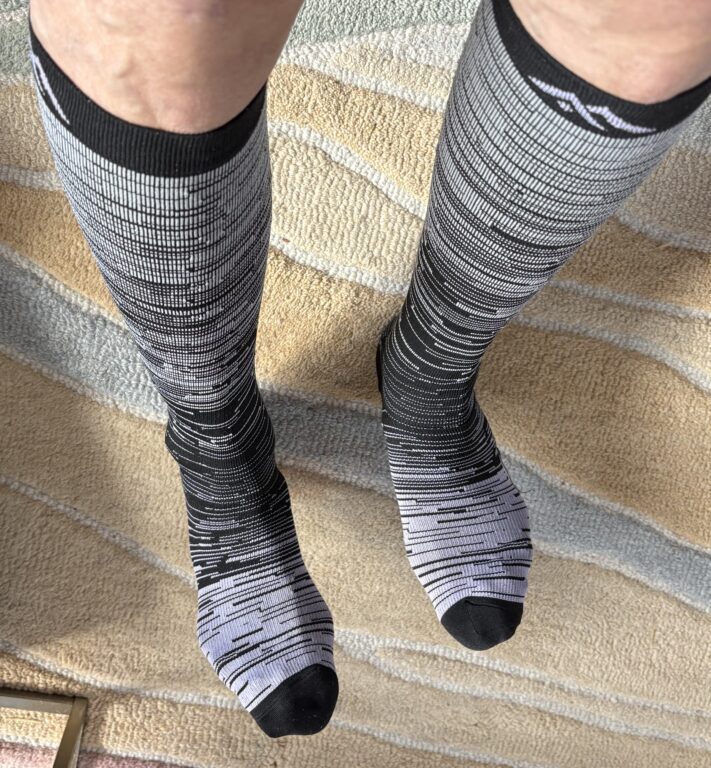
I’ve worn these not particularly fashionable compression socks for several years. Recently I was advised to no longer wear the same pair two days in a row because of bacterial and other health reasons. Courtesy of Harlan Levy
Generally, because my daily exercise routine includes no walking, I’ve worn a pair only two days in a row. Last week I was reading a post about the socks which told me to change them every day.
Why? According to internet research, because it compromises hygiene, skin health, and the specialized elasticity of the garment.
- Hygiene and microbial growth: Feet contain thousands of sweat glands. Wearing socks all day traps sweat, warmth, and dead skin cells, creating an ideal breeding ground for odor-producing bacteria and fungal infections like athlete’s foot. (Eeeewww! No one wants that.)
- Loss of elasticity and compression: Compression socks rely on tight, graduated elasticity to squeeze the veins and push blood back toward your heart. Wearing them day after day without washing stretches out the fibers, reducing or ruining the therapeutic pressure they provide. Washing them after each use helps restore their elasticity.
- Skin breakdown and irritations: Unwashed fabric, accumulated salt from sweat, and stretched-out or bunched material can chafe the skin, leading to rashes, itching, indentations, or localized sores.
Advice from internet research:
- You can safely wear compression socks every day during your waking hours, typically for 8 to 12 hours a day. There is no limit on how many days in a row you can wear them if you have chronic swelling, long standing shifts, or a condition like venous insufficiency. Many people wear them daily for years or for life as part of a routine.
- Put them on first thing in the morning before any fluid or swelling builds up in your legs and ankles, a main symptom of congestive heart failure.
- Remove them at night before going to bed, unless a doctor specifically instructs you to wear them overnight. Your skin and circulation need a break while you lie flat.
Hope this column helps.
NOTE: If you have a consumer problem, contact me at [email protected] (“Consumer” in subject line), and, with the power of the press, maybe I can help.
Like what you see here? Click here to subscribe to We-Ha’s newsletter so you’ll always be in the know about what’s happening in West Hartford! Click the blue button below to become a supporter of We-Ha.com and our efforts to continue producing quality journalism.