West Hartford’s Revaluation: What Higher Property Assessments Really Mean for Your Taxes

Audio By Carbonatix
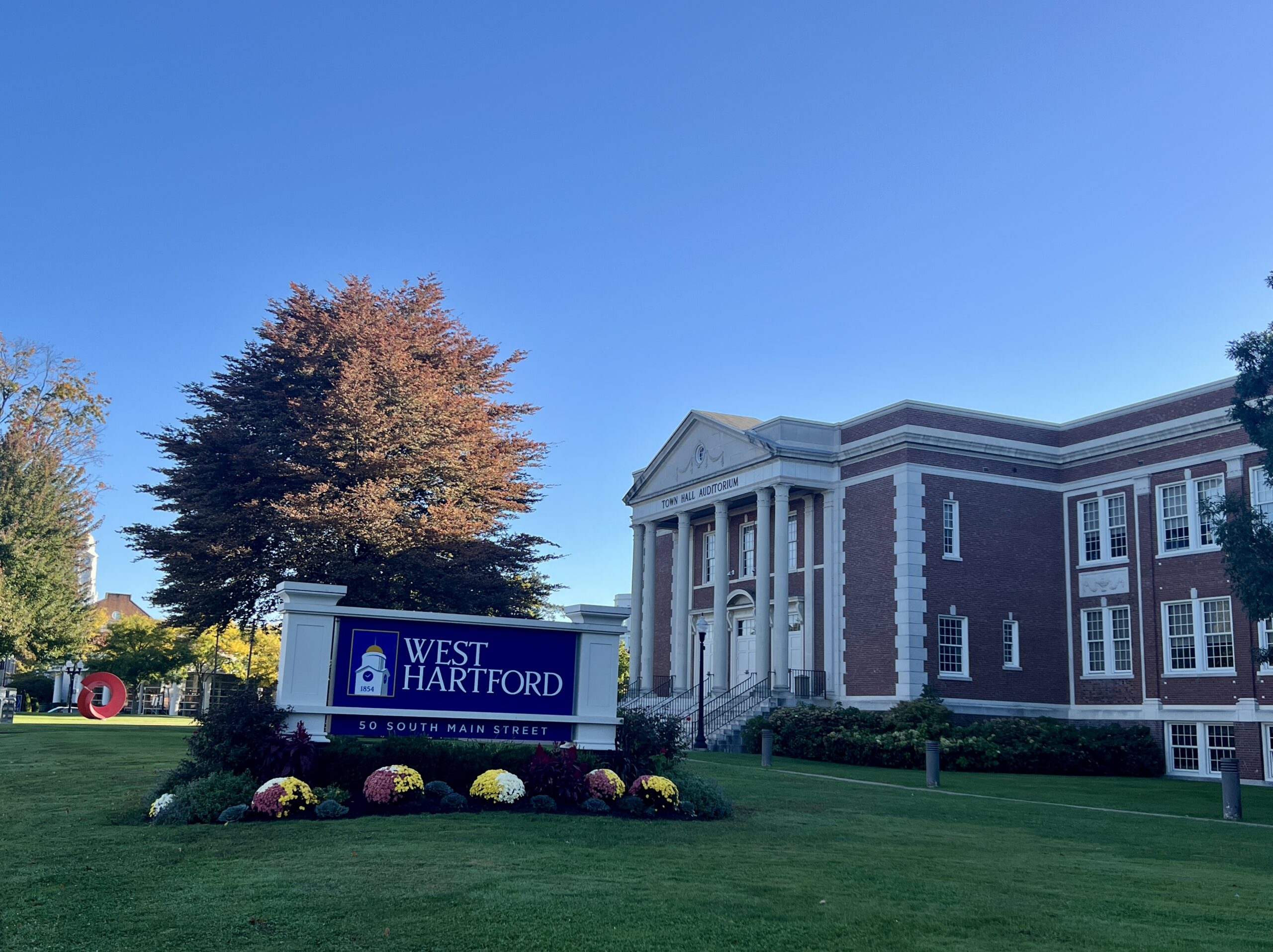
West Hartford Town Hall. Photo credit: Ronni Newton





A message from West Hartford Mayor Shari Cantor.
I’ve heard from a number of residents who are understandably concerned about the recent property revaluation and what it may mean for their property taxes. I want to reassure everyone that an increase in your property’s assessed value does not automatically mean a corresponding increase in your property taxes.
I recognize how unsettling it can be to receive a notice from the tax assessor showing a significant increase in your property’s assessed value, particularly when it’s not immediately clear what that means for your tax bill. I want to take this opportunity to provide some context about the revaluation process, explain how property taxes are determined, and hopefully put some of those concerns at ease.
West Hartford is undergoing a state-mandated revaluation, which takes place every five years to reflect changes in property values across our community. While many residents are seeing significant increases in their assessments, that does not mean their tax bills will increase by the same percentage.
Here’s why.
Each year, the Town Council is required to adopt a balanced budget that determines how much funding is needed for our schools, public safety, public works, and other essential services. After accounting for other revenue, including state aid, the town determines how much must be raised through property taxes.
The tax rate, known as the mill rate, is then set based on that amount and the total assessed value of taxable property in town.
When property values increase across town, the town can raise the revenue needed to fund its budget at a lower tax rate. Based on the preliminary revaluation results, we anticipate that the mill rate will decrease next year.
That does not necessarily mean everyone’s taxes will go down. Individual tax bills will depend on how each property’s value has changed relative to other properties in town, as well as the budget and tax rate ultimately adopted by the Council.
Those decisions will not be made until next spring, when the Council completes the budget process for the 2027-2028 fiscal year.
I also want to reassure residents that West Hartford is on strong financial footing. Recent Town Councils have made a deliberate effort to avoid budget gimmicks and short-term fixes, instead making responsible financial decisions that have allowed for greater stability and predictability in our budgets.
Today, our pension fund is fully funded, and we maintain a AAA bond rating, the highest possible rating, reflecting our strong financial management and responsible levels of debt. These accomplishments are the result of years of disciplined budgeting, and we intend to continue that approach.
The increase in property values also reflects something positive about our community. West Hartford remains one of the most desirable places to live in the country, consistently recognized for our outstanding schools, vibrant neighborhoods, thriving businesses, and quality of life.
But we also recognize that rising housing costs create real challenges, particularly for young families, seniors, and residents on fixed incomes. That is why the Council remains committed to expanding housing opportunities at a range of price points so that West Hartford remains an economically diverse and welcoming community.
Above all, I want residents to know that affordability remains a top priority for this Town Council. As we develop next year’s budget, we will continue to balance the high-quality services our community expects with our responsibility to keep West Hartford affordable for the people who call it home.
Like what you see here? Click here to subscribe to We-Ha’s newsletter so you’ll always be in the know about what’s happening in West Hartford! Click the blue button below to become a supporter of We-Ha.com and our efforts to continue producing quality journalism.