Op-Ed: Beyond the Ballot – Democracy Doesn’t End on Election Day

Audio By Carbonatix
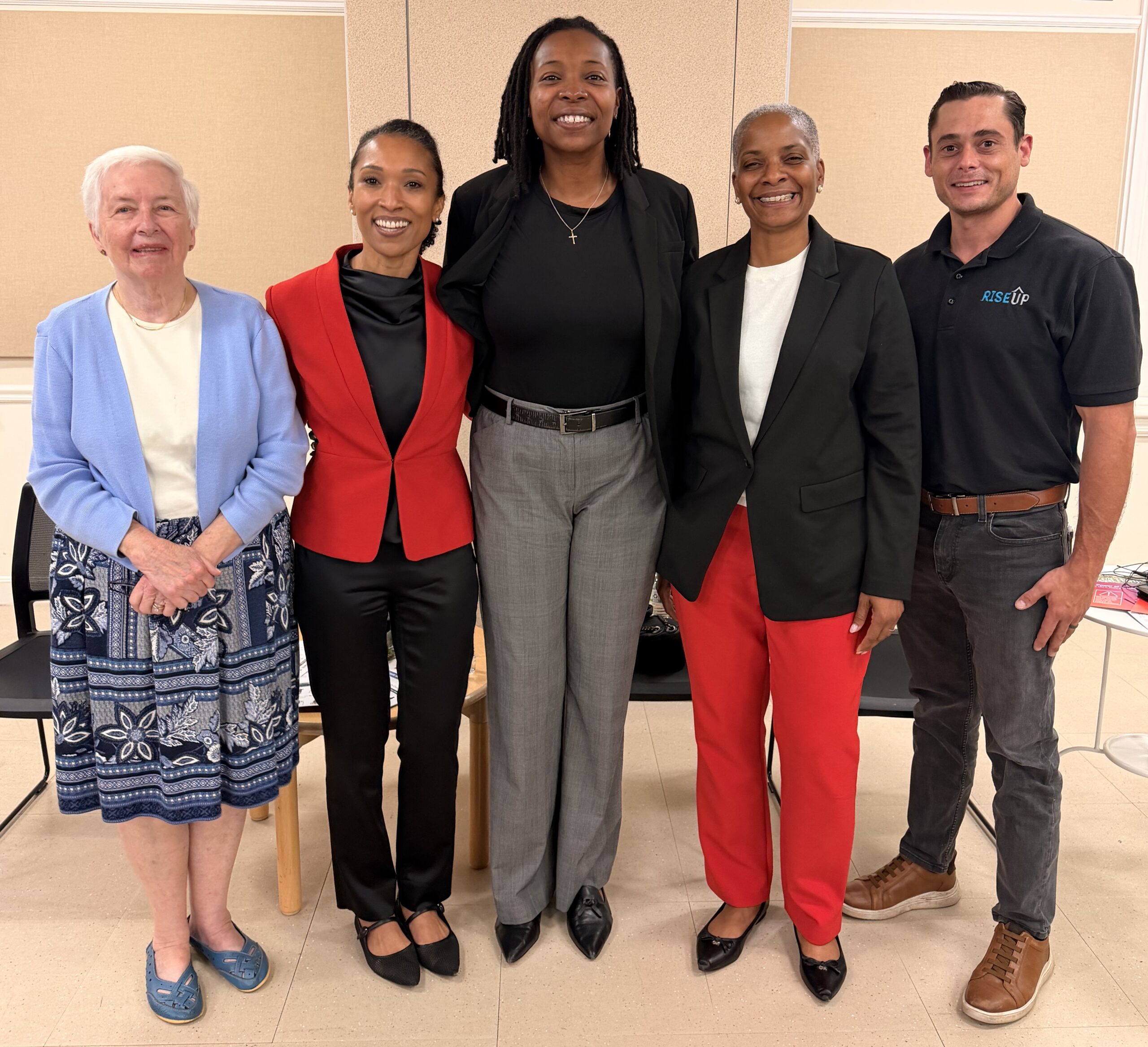
Beyond the Ballot coversation participants include (from left) Bette Marafino, Lisa Lazarus, Adrienne Billings-Smith, Stephanie Thomas, and Matt Conway. Courtesy photo





Thoughts about a forum held on Monday, Sept. 21, 2026 at the Noah Webster Library in West Hartford.
By Zillah M. Fluker, Ph.D.
On Monday, Sept. 21, I attended “Beyond the Ballot: A Community Conversation on Civic Engagement,” hosted by the West Hartford African American Social & Cultural Organization (WHAASCO) at the Noah Webster Library. The conversation, moderated by West Hartford Town Councilor Lisa Lazarus, brought together Connecticut Secretary of the State Stephanie Thomas, Adrienne Billings Smith, Matt Conway, Elizabeth “Bette” Marafino, and Luis Rodrigues Porter.
The title, Beyond the Ballot, captured what I found most important about the evening. We spend a lot of time encouraging people to vote, and we should. But voting is one part of civic engagement. What happens after Election Day matters just as much.
We sometimes use civics, politics, and government as though they mean the same thing. They don’t. Elections determine who represents us, government provides the structure for public decision-making, and civic engagement is how the rest of us participate in that process. Budgets are developed, ordinances are considered, legislators hold hearings, boards and commissions meet, and organizations advocate throughout the year. Those decisions affect our schools, neighborhoods, businesses, families, and quality of life.
One of the questions I left with was: Are enough of us in those conversations?
It is easy to interpret an empty seat at a public meeting or a low response to a community survey as a lack of interest. I think the reality is more complicated. People are working, raising children, caring for parents, coaching teams, running businesses, and managing already-full lives. Others care deeply about an issue but don’t believe they know enough to speak up.
That may be one of our biggest misconceptions about civic engagement. You don’t need a law degree to testify before the legislature. You don’t have to understand every line of a municipal budget before asking a question about it. You don’t need decades of government experience to contribute to a town board or commission. Sometimes the most valuable thing you bring into the room is your own experience.
The panel shared an example of a woman whose long-term care insurance premium had increased from $85 a month to $850. When she told legislators what that increase meant in her life, an abstract policy issue suddenly became personal. That story was a good reminder that policymakers don’t necessarily know what we know. They haven’t lived every experience in the communities they represent. Sometimes they need residents to connect policy to real life.
At the same time, we have to be thoughtful when we tell people to “show up.” Participation is not equally easy for everyone. Time matters. Childcare matters. Transportation matters. Technology matters. Knowing where to find information matters. Even knowing that you are welcome in the room matters.
Secretary Thomas has made civic education a focus of her office, including Connecticut’s Power of Civics initiative, which provides practical information about how government works and how residents can participate. Civic engagement shouldn’t require insider knowledge. If we want more people involved, we have to make the pathways into participation easier to understand.
Those of us who already understand those pathways have a responsibility as well. Bring someone with you. If you know how to testify, show someone else. If you’ve served on a board or commission, explain how you got there. If you know your elected officials, introduce a neighbor who doesn’t. If you have occupied a leadership seat for years, mentor someone who might eventually take your place. Strong communities don’t just develop leaders; they keep building the bench.
That point resonated with me because we have never had more ways to express our opinions. We post, share, comment, react, and debate every day. But commenting about a decision is different from participating in the process that produces it. Sometimes the most consequential civic space isn’t the conversation attracting hundreds of comments online. It is a public hearing with 20 people in the room. It is an email to an elected official. It is testimony from someone speaking publicly for the first time. It is an application for a town commission or a resident asking a thoughtful question about why something is being done a certain way.
One idea from the WHAASCO conversation especially stayed with me: pick up your rock. None of us can carry every issue, and we shouldn’t try. Find the issue that matters enough to you that you are willing to do something about it. Maybe it is education, housing, aging, youth development, arts and culture, economic opportunity, public safety, or simply something happening on your street.
Then start somewhere.
Attend a meeting. Complete a town survey. Learn who represents you. Send an email. Volunteer for an organization. Apply for a board or commission. Share your experience at a public hearing. Support a community organization whose work you believe in. And if your schedule or circumstances make those things difficult right now, find another way to contribute. Civic participation doesn’t have to look the same for everyone.
WHAASCO called the Sept. 21 conversation “Beyond the Ballot,” and that is a useful challenge for all of us. Voting matters, but so does what happens the morning after an election, the month after it, and throughout the years between elections. A healthy community needs people who are willing not only to have opinions about what happens, but to participate in shaping what happens.
West Hartford has no shortage of people who care about this community. The opportunity is to connect more of us to the places where decisions are discussed and made – and to make sure the people already in those spaces are opening the door for others.
So, how do you get involved? Start with one thing this week. Find an issue you care about and take one action. Attend a meeting. Ask a question. Contact someone who represents you. Explore a board or commission. Volunteer. Learn something about how your town or state government works that you didn’t know before.
Then invite one other person to do it with you.
That may be what going beyond the ballot really looks like: not everyone doing everything, but more of us doing something.
Zillah M. Fluker, Ph.D., is a West Hartford resident, leadership and higher education strategist, and community leader.
We-Ha.com will accept Op-Ed submissions from members of the community. We reserve the right to edit all submitted content.
Like what you see here? Click here to subscribe to We-Ha’s newsletter so you’ll always be in the know about what’s happening in West Hartford! Click the blue button below to become a supporter of We-Ha.com and our efforts to continue producing quality journalism.