Consumer Diary: Amazon, Amway Penalties

Audio By Carbonatix
I am sick of seeing this ad! Courtesy of Harlan Levy





Consumer columnist and West Hartford resident Harlan Levy has more than 20 years of experience writing stories about everyday experiences that anyone could encounter.

Harlan Levy. Courtesy photo
By Harlan Levy
Before I get to weightier topics, here are some pet peeves, TV ads I’m sick of:
- The “Doug” and his LiMu Emu mascot touting Liberty Mutual insurance.
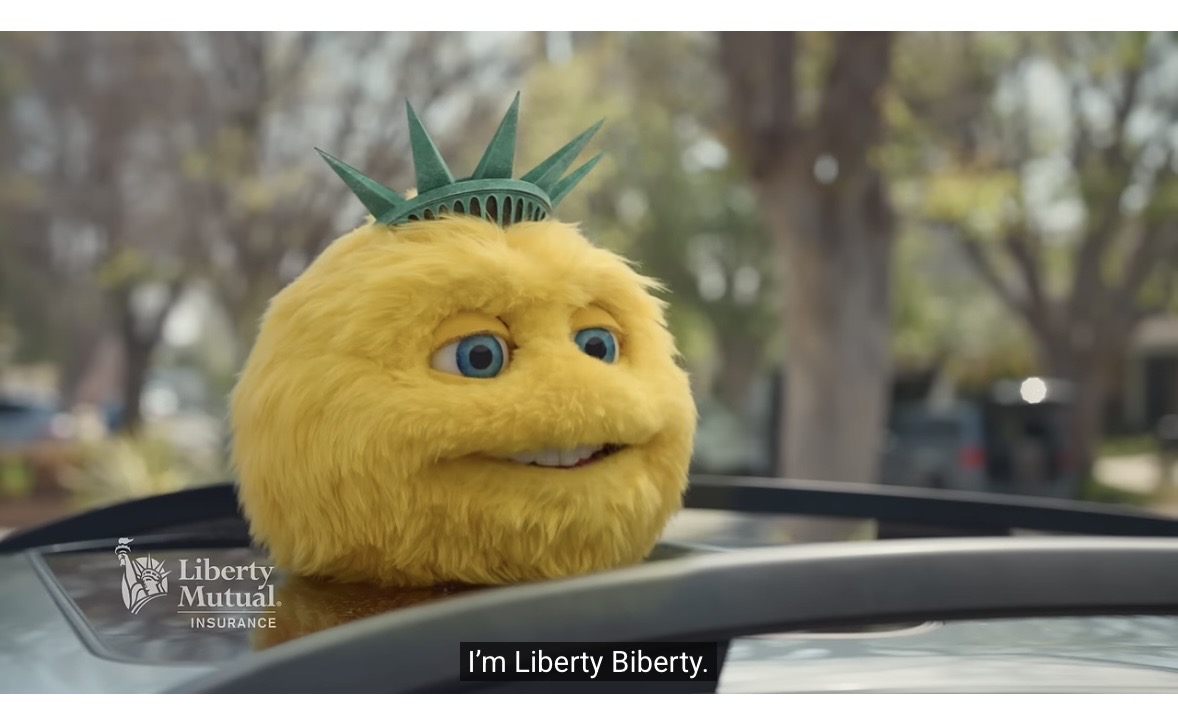
- The new Liberty Mutual yellow stuffy landing on people’s cars, announcing, “I’m Liberty Biberty.” Bring back the bumbling actor who can’t say his lines straight!
- The two guys in the old lady’s basement, saying: “She’s sitting on a gold mine!” promoting reverse mortgages.
- The continuing repetitive CarShield TV ads, despite warnings (from me and others) that it isn’t worth it.
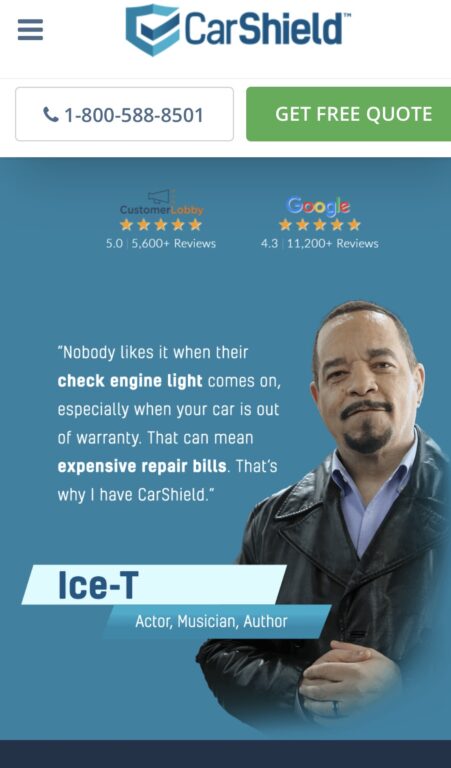
Please go away Ice T: Enough with your pitch for this company that many consumers say is a waste of money. Courtesy of Harlan Levy

As soon as I see this ad for Coventry Direct I turn off the TV, it’s so annoying. Courtesy of Harlan Levy
Effects of Canada tariffs
Trump’s hissy-fit 50% tariffs on Canadian imports, supposedly because of the smoke from wildfires, has had one effect on my oldest friend (from 4th grade) Jonathan Wiesel’s prescription needs. The tariffs slashed his online Canadian prescription option access.
“I’ve been getting asthma med Flovent (Fluticasone Propionate) from them for years for about one third the cost from a U.S. pharmacy,” he told me. “Gonna be tough for someone mostly living on Social Security.”
Huge Amazon fine
Last week the Federal Trade Commission announced that Amazon will accelerate and expand payments to eligible consumers under last year’s $2.5 billion settlement, which resolved FTC allegations that the online retailer enrolled millions of consumers in Prime subscriptions without their consent and knowingly made it difficult for consumers to cancel.
Under the September 2025 settlement of the FTC’s allegations, Amazon was required to pay up to $1.5 billion to consumers harmed by the company’s deceptive Prime enrollment practices in addition to a $1 billion civil penalty. As of September 2026, Amazon has issued more than $845 million in payments to consumers.
Last week, a federal court approved a joint motion filed by the FTC and Amazon, approving measures to accelerate and expand future redress payments to consumers. Under the new order, more consumers will now qualify for refunds from Amazon, the maximum payment cap has been raised from $51 to $200 total, and all future payments will be distributed automatically – eliminating the need for consumers to submit claims or additional paperwork to Amazon.
The original order required Amazon to provide refunds of up to $51 to consumers who used fewer than 10 Prime benefits during a one-year period. Under the revised order, Amazon will begin issuing automatic redress payments starting Oct. 1 to millions of additional consumers who used between 11 and 20 Prime benefits during a one-year period.
The payments will be made via Venmo or PayPal or mailed check without requiring consumers to submit claims, respond to notices or complete any forms.
Amway fraud
Remember Amway, the company giving consumers the option of selling nutritional supplements they had to buy first?
Amway Corp., one of the largest multilevel marketing companies in the U.S., and two of its affiliates – World Wide Group, L.L.C. (WWG) and Leadership Team Development Inc. (LTD) – will pay $225 million to resolve FTC allegations that the companies use unfair and deceptive tactics to recruit members to its direct selling and multilevel marketing opportunity.
The monetary relief to be paid by Amway and its affiliates under the proposed order marks the largest monetary recovery obtained in an FTC action against a multilevel marketing company, nearly all of which will be used as redress to consumers harmed by Amway and its affiliates’ allegedly deceptive tactics.
Amway offers a money making opportunity that it claims gives individuals, referred to as Independent Business Owners (IBOs), the chance to own and operate their own business selling a variety of consumer products, ranging from nutritional supplements to energy drinks to health and beauty products. The FTC alleged that Amway and two of its affiliates misrepresented likely earnings, to incentivize and pressure IBOs to buy Amway products they don’t want and that end up being difficult to sell.
The FTC also charged that Amway and its affiliates deceptively instruct IBOs to falsely report selling products that they, in fact, did not sell, to create the appearance that the Amway opportunity revolves around selling products rather than attempting to recruit new IBOs to purchase Amway products. Both WWG and LTD sell training materials and services to IBOs that are allegedly marketed as being essential to becoming a successful Amway IBO.
“However,” the agency said, “in these trainings, these groups instruct IBOs to buy a set amount of products each month regardless of whether the IBOs can resell them or want them for themselves and to focus their time on trying to recruit others to duplicate that behavior.”
The complaint also charges Amway, WWG, and LTD:
- Falsely tell IBOs that they are likely to earn substantial income, exceeding $40,000 a year, or that they are likely to earn income that will replace their full-time job or allow them to retire early, when most IBOs who joined WWG or LTD after 2020 spent more money on Amway products and training than they received from Amway
- Falsely tell IBOs that they are likely to recruit multiple IBOs into the business to help them succeed, when in fact most consumers who joined Amway and WWG or LTD did not recruit multiple participants
- Falsely tell IBOs that they are joining an exclusive opportunity in which they will get access to mentoring from highly successful leaders, when in fact the Amway opportunity is open to any prospective IBO who follows the instructions of their recruiter, and the “mentors” IBOs work with are typically not highly successful.
That’s it until next week. For readers who are Jewish, happy new year (5787). For us 5786 was a bad one.
Now you know.
NOTE: If you have a consumer problem, contact me at [email protected] (“Consumer” in subject line), and, with the power of the press, maybe I can help.
Like what you see here? Click here to subscribe to We-Ha’s newsletter so you’ll always be in the know about what’s happening in West Hartford! Click the blue button below to become a supporter of We-Ha.com and our efforts to continue producing quality journalism.