Review: Two Big Vehicles That Deliver Big Fuel Economy

Audio By Carbonatix
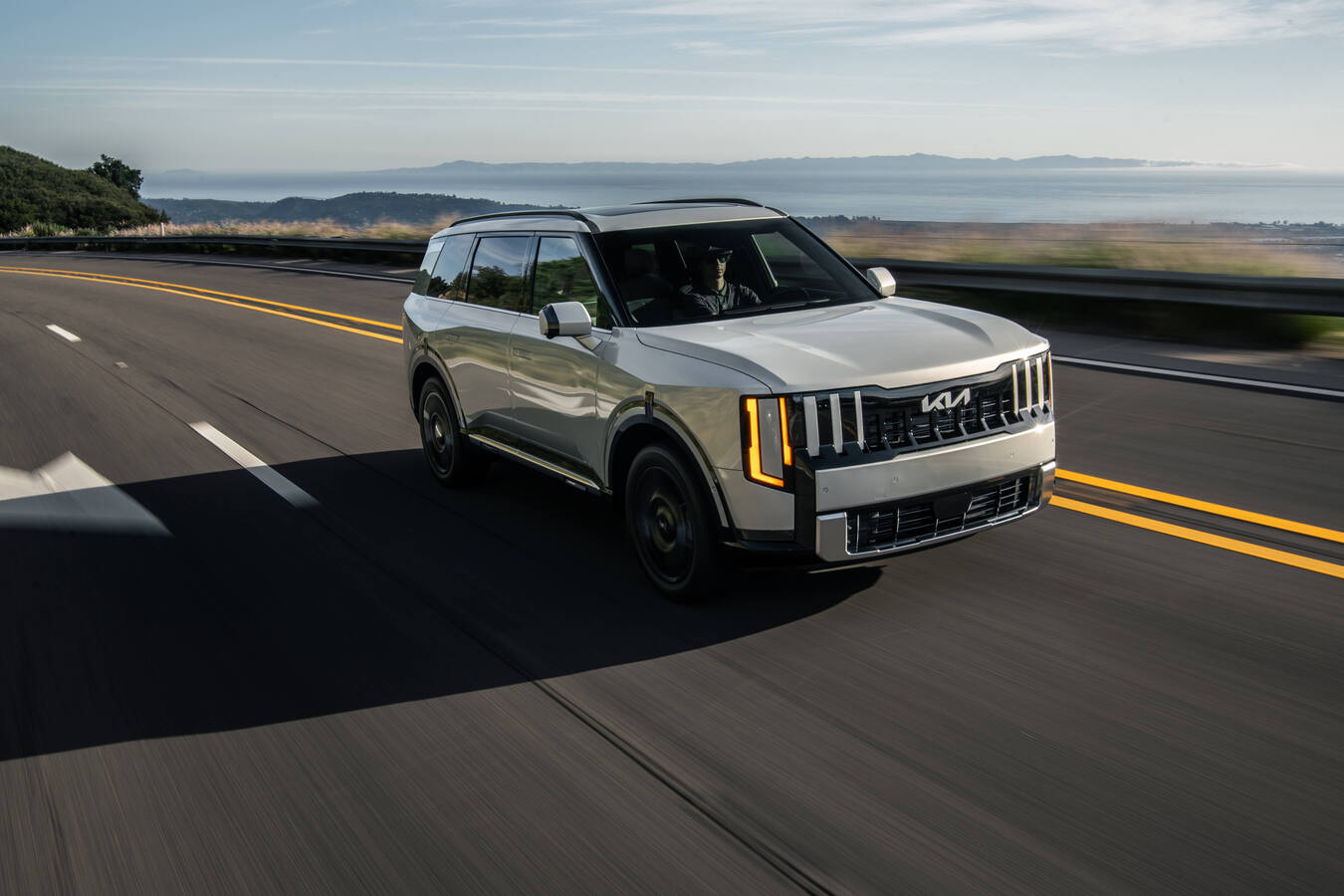
2027 Kia Telluride HEV SXP. Courtesy photo





A comparison of two roomy vehicles for families that are surprisingly economical.
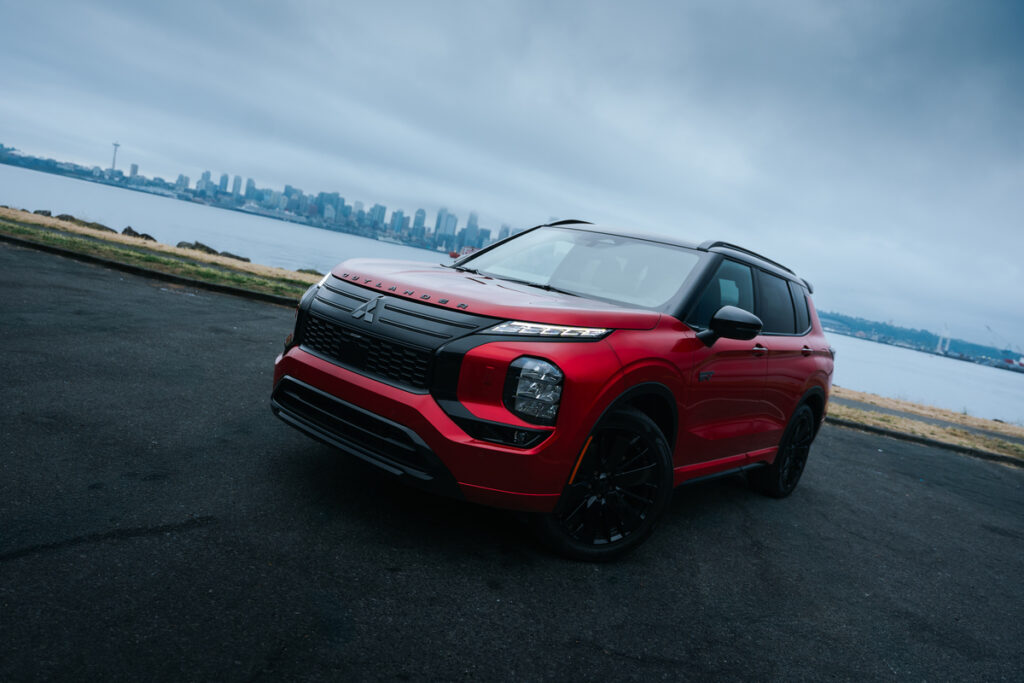
Mitsubishi Outlander PHEV. Courtesy photo
By Keith Griffin
Two big, beautiful beasts on local roads and highways are true fuel sippers: the 2026 Mitsubishi Outlander PHEV and the 2027 Kia Telluride SX Prestige. Picture two Sumo wrestlers who can run 100 meters in under 11 seconds while living on a 1200-calorie daily diet.
The Outlander achieves its fuel economy with a plug-in hybrid powertrain. The Telluride relies on a turbo-hybrid motor that doesn’t need to be plugged in. For that reason, while both are green vehicles, the Telluride might be the better choice.
2027 Kia Telluride SX Prestige
The 2027 Kia Telluride SX Prestige transitions into its second generation with a massive upgrade: a powerhouse turbo-hybrid engine. Historically, the Telluride excelled at luxury and roominess but suffered from a thirsty V6. The 2027 Hybrid SX Prestige AWD flips the script, delivering a massive 50% increase in combined fuel economy over the gas-only variant.
Efficiency and Range
The standard gas-only 2027 Telluride with all-wheel drive returns a mediocre 20 mpg combined. By contrast, the SX Prestige Hybrid AWD delivers 30 mpg city, 32 mpg highway, and 31 mpg combined. If you choose a front-wheel-drive configuration on lower trims, efficiency numbers jump up to 35 mpg combined, though the top-tier SX Prestige targets premium confidence with standard AWD. Equipped with an 18.2-gallon fuel tank, this opulent three-row SUV easily clears 550 miles of driving range on a single tank of regular unleaded fuel, reducing painful rest-stop detours during family road trips. Real-world highway tests at 75 mph average about 28 mpg, still vastly outclassing typical mid-size haulers.
Performance Meets Savings
Choosing the hybrid powertrain doesn’t require compromising on muscle. The powertrain blends a 2.5-liter turbocharged 4-cylinder engine with dual electric motors, producing 329 horsepower and 339 lb-ft of torque. It is the most powerful production Telluride yet, operating with a six-speed automatic transmission instead of a CVT. The intelligent hybrid system uses standard electronic vehicle motion control to manage traction. It also introduces a “Stay Mode” that prioritizes silent, zero-emissions electric power during stop-and-go gridlock – the exact environment where traditional V6 SUVs waste the most fuel.
A Worthwhile Premium
Priced at just under $60,000, the SX Prestige pairs these fuel savings with near-luxury features like working pop-out door handles, an expansive 30-inch conjoined digital display, a Nappa-grade leather environment, and massaging front seats. While it gives up 500 pounds of maximum towing capacity to the gas model (topping out at 4,500 pounds), the financial trade-off is undeniable.
For families putting on typical annual mileage, the hybrid powertrain pays for its initial price premium in under four years through gas savings alone. The 2027 Kia Telluride SX Prestige marries high-end, three-row luxury with the stellar fuel economy modern drivers need in this era of high fuel prices.
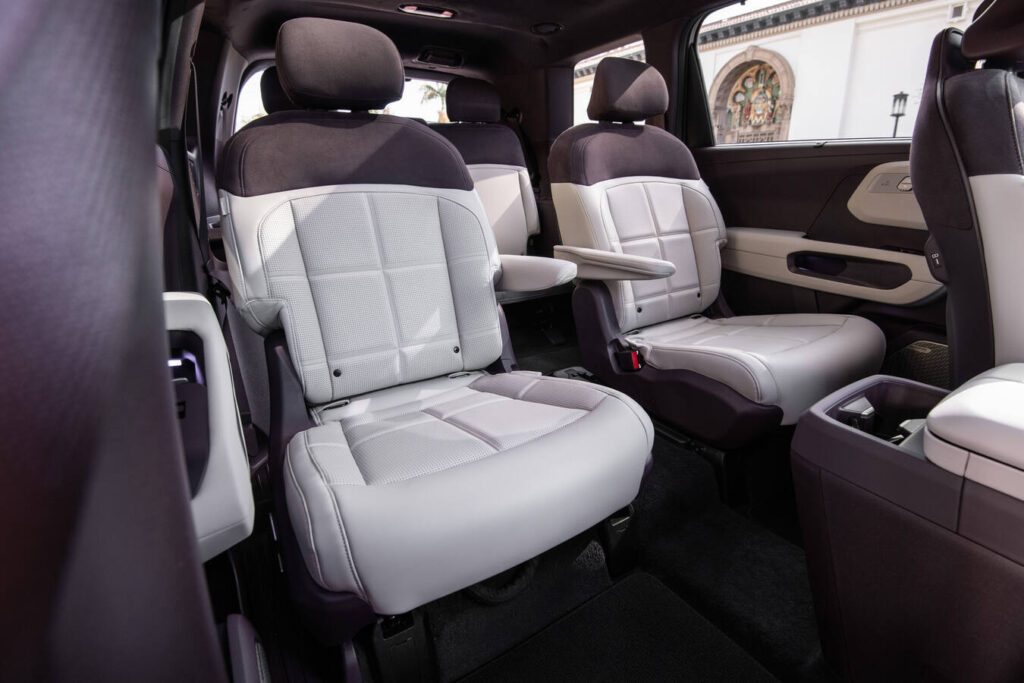
2027 Telluride HEV. Courtesy photo
2026 Mitsubishi Outlander PHEV
The 2026 Mitsubishi Outlander PHEV establishes itself as a highly practical choice for families looking to cut down on gas without making the leap to a full electric vehicle. The biggest change this year is a larger 22.7-kWh lithium-ion battery pack, replacing the previous 20-kWh unit. This 13% increase in battery capacity translates to a meaningful 45 miles of EPA-estimated all-electric range, giving drivers plenty of zero-emissions cushion for daily commutes and school runs.
Optimized Efficiency Modes
When you use the battery to the fullest, the SUV earns an impressive 73 mpg combined rating. During real-world testing, short-to-medium trips starting with a full charge can yield over 100 mpg by relying heavily on the electric motors.
The vehicle features a selection of powertrain modes tailored to squeeze out maximum efficiency:
- EV Mode: Forces the vehicle to prioritize battery power up to highway speeds.
- Save Mode: Preserves the current battery level for later city driving.
- Charge Mode: Uses the engine as a generator to replenish the pack on the move.
The Outlander also benefits from a dedicated one-pedal driving mode that aggressively dials up regenerative braking, feeding energy back into the battery during deceleration.
The Hybrid Trade-Off
While daily efficiency is outstanding, long road trips present a different story. Once the 45-mile electric window is exhausted and the vehicle transitions to its 2.4-liter four-cylinder gas engine, the fuel economy drops to a modest 27 mpg combined. To fit the larger battery pack, Mitsubishi shrank the fuel tank to 14 gallons, so the total combined gas-and-electric range stays flat at 420 miles.
Furthermore, replenishment is remarkably flexible; the Outlander remains one of the few plug-in hybrids to support DC fast charging, which zips the battery from 0% to 80% in about 29 minutes. A Level 1 charger, like mine, charges the Outlander in about six hours.
The 2026 Mitsubishi Outlander PHEV is a compelling package. Its cramped third-row seating limits its utility as a true seven-passenger cruiser, but its upscale cabin, standard all-wheel drive, and punchier 297 horsepower powertrain elevate the overall driving experience. If you have access to overnight charging and keep your daily drives under the 45-mile limit, it functions beautifully as an ultra-efficient EV with a built-in gasoline safety net.
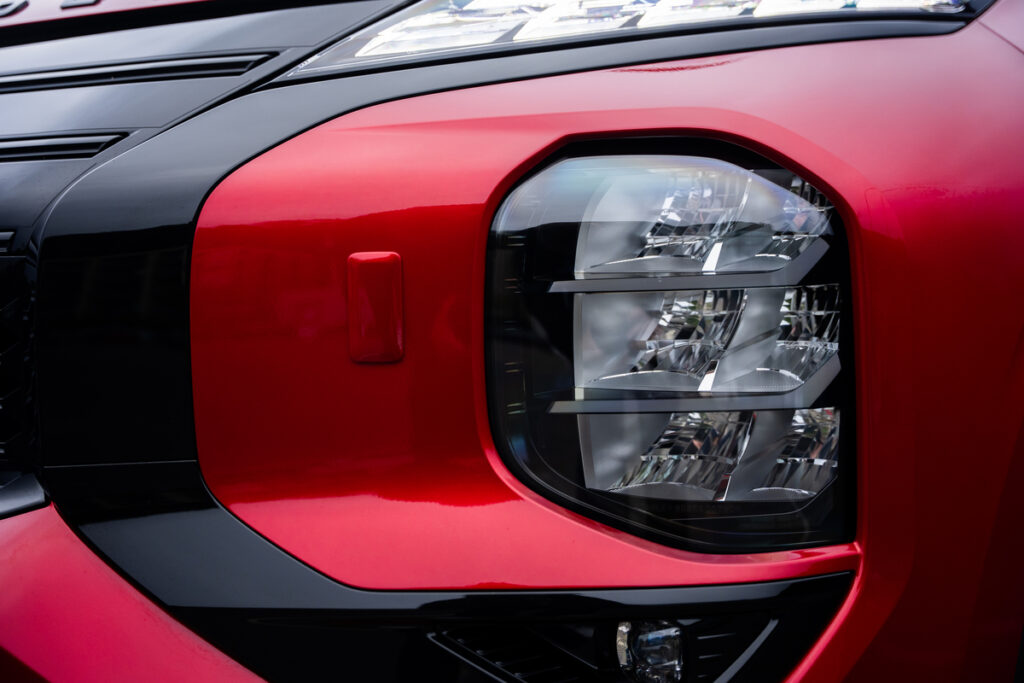
Mitsubishi Outlander PHEV. Courtesy photo
Keith Griffin, a West Hartford resident, is a longtime automotive journalist and past president of the New England Motor Press Association. He has spent decades testing the latest vehicles.
Like what you see here? Click here to subscribe to We-Ha’s newsletter so you’ll always be in the know about what’s happening in West Hartford! Click the blue button below to become a supporter of We-Ha.com and our efforts to continue producing quality journalism.